
This section allows you to view all posts made by this member. Note that you can only see posts made in areas you currently have access to.
Pages 1 2 3 4 5 6 7 8 9 10 11 12 13 14 15 16 17 18 19 20 21 22 23 24 25 26 27 28 29 30 31 32 33 34 35 36 37 38 39 40 41 42 43 44 45 46 47 48 49 50 51 52 53 54 55 56 57 58 59 60 61 62 63 64 65 66 67 68 69 70 71 72 73 74 75 76 77 78 79 80 81 82 83 84 85 86 87 88 89 90 91 92 93 94 95 96 97 98 99 100 101 102 103 104 105 106 107 108 109 110 111 112 113 114 115 116 117 118 119 120 121 122 123 124 125 126 127 128 129 130 131 132 133 134 135 136 137 138 139 140 141 142 143 144 145 146 147 148 149 150 151 152 153 154 155 156 157 158 159 160 161 162 163 164 165 166 167 168 169 170 171 172 173 174 175 176 177 178 179 180 181 182 183 184 185 186 187 188 189 190 191 192 193 194 195 196 197 198 199 200 201 202 203 204 205 206 207 208 209 210 211 212 213 214 215 216 217 218 219 220 221 222 223 224 225 226 227 228 229 230 231 232 233 234 235 236 237 238 239 240 241 242 243 244 245 246 247 248 249 250 251 252 253 254 255 256 257 258 259 260 261 262 263 264 265 266 267 268 269 270 271 272 273 274 275 276 277 278 279 280 281 282 283 284 285 286 287 288 289 290 291 292 293 294 295 296 297 298 299 300 301 302 303 304 305 306 307 308 309 310 311 312 313 314 315 316 317 318 319 320 321 322 323 324 325 326 327 328 329 330 331 332 333 334 335 336 337 338 339 340 341 342 343 344 345 346 347 348 349 350 351 352 353 354 355 356 357 358 359 360 361 362 363 364 365 366 367 368 369 370 371 372 373 374 375 376 377 378 379 380 381 382 383 384 385 386 387 388 389 390 391 392 393 394 395 396 397 398 399 400 401 402 403 404 405 406 407 408 409 410 411 412 413 414 415 416 417 418 419 420 421 422 423 424 425 426 427 428 429 430 431 432 433 434 435 436 437 438 439 440 441 442 443 444 445 446 447 448 449 450 451 452 453 454 455 456 457 458 459 460 461 462 463 464 465 466 467 468 469 470 471 472 473 474 475 476 477 478 479 480 481 482 483 484 485 486 487 488 489 490 491 492 493 494 495 496 497 498 499 500 501 502 503 504 505 506 507 508 509 510 511 512 513 514 515 516 517 518 519 520 521 522 523 524 525 526 527 528 529 530 531 532 533 534 535 536 537 538 539 540 541 542 543 544 545 546 547 548 549 550 551 552 553 554 555 556 557 558 559 560 561 562 563 564 565 566 567 568 569 570 571 572 573 574 575 576 577 578 579 580 581 582 583 584 585 586 587 588 589 590 591 592 593 594 595 596 597 598 599 600 601 602 603 604 605 606 607 608 609 610 611 612 613 614 615 616 617 618 619 620 621 622 623 624 625 626 627 628 629 630 631 632 633 634 635 636 637 638 639 640 641 642 643 644 645 646 647 648 649 650 651 652 653 654 655 656 657 658 659 660 661 662 663 664 665 666 667 668 669 670 671 672 673 674 675 676 677 678 679 680 681 682 683 684 685 686 687 688 689 690 691 692 693 694 695 696 697 698 699 700 701 702 703 704 705 706 707 708 709 710 711 712 713 714 715 716 717 718 719 720 721 722 723 724 725 726 727 728 729 730 731 732 733 734 735 736 737 738 739 740 741 742 743 744 745 746 747 748 749 750 751 752 753 754 755 756 757 758 759 760 761 762 763 764 765 766 767 768 769 770 771 772 773 774 775 776 777 778 779 780 781 782 783 784 785 786 787 788 789 790 791 792 793 794 795 796 797 798 799 800 801 802 803 804 805 806 807 808 809 810 811 812 813 814 815 816 817 818 819 820 821 822 823 824 825 826 827 828 829 830 831 832 833 834 835 836 837 838 839 840 841 842 843 844 845 846 847 848 849 850 851 852 853 854 855 856 857 858 859 860 861 862 863 864 865 866 867 868 869 870 871 872 873 874 875 876 877 878 879 880 881 882 883 884 885 886 887 888 889 890 891 892 893 894 895 896 897 898 899 900


#406
Photos Unlimited / Re: Row, row, row your boat gently down the stream...
April 16, 2020, 08:38:24 PM

#407
Photos Unlimited / Re: Row, row, row your boat gently down the stream...
April 16, 2020, 08:37:32 PM #408
Photos Unlimited / Row, row, row your boat gently down the stream...
April 16, 2020, 08:36:29 PM
Row, row, row your boat
Gently down the stream
Merrily merrily, merrily, merrily
Life is but a dream

Gently down the stream
Merrily merrily, merrily, merrily
Life is but a dream
#409
History / Re: The Sacco-Vanzetti case draws national attention
April 16, 2020, 08:32:28 PM
Artist: Ben Shahn (American, 1898–1969)
Title: Passion of Sacco and Vanzetti , 1958–1958
Medium: Silkscreen
Size: 66 x 43 cm. (26 x 16.9 in.)
#410
History / Re: The Sacco-Vanzetti case draws national attention
April 16, 2020, 08:22:46 PM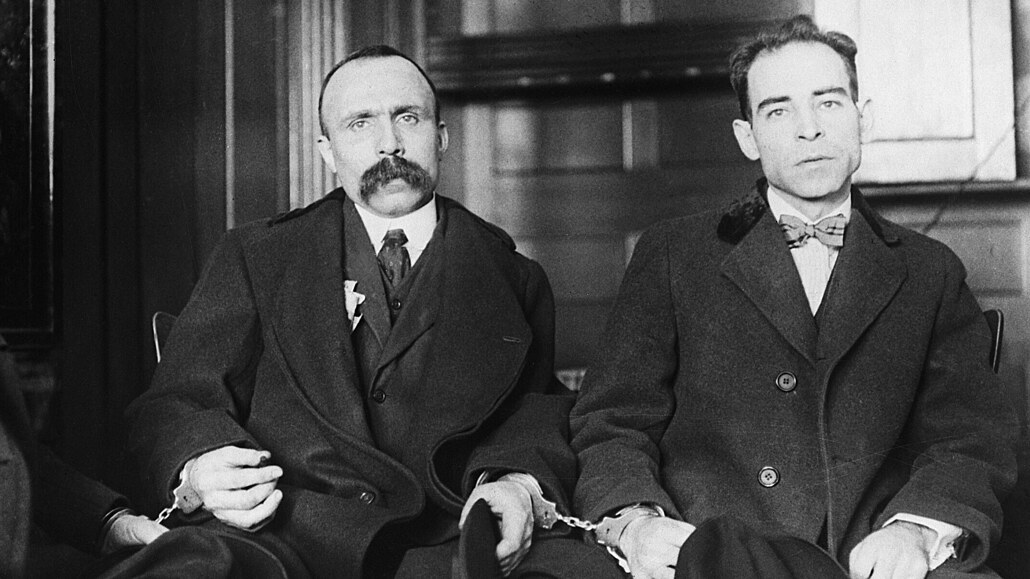

Ben Shahn, Bartolomeo Vanzetti and Nicola Sacco, 1931-32, gouache on paper on board, 10 7/8 x 14 5/8 inches / 27.6 x 37.1 cm (The Museum of Modern Art).

#412
History / Re: The Medieval Origins of Quarantine
April 16, 2020, 08:16:42 PM
Zlata Blazina Tomic and Vesna Blazina's book Expelling the Plague: The Health Office and the Implementation of Quarantine in Dubrovnik, 1377-1533, was published by McGill-Queen's University Press in 2015. Jane Stevens Crawshaw's article, "The Renaissance Invention of Quarantine," appears in The Fifteenth Century XII: Society in an Age of Plague, edited by Linda Clark and Carole Rawcliffe, and published in 2013.
https://www.medievalists.net/2020/03/medieval-origins-quarantine/
#413
History / Re: The Medieval Origins of Quarantine
April 16, 2020, 08:15:29 PM
The practice of quarantine and plague hospitals would gradually spread into the rest of Europe over the fifteenth and sixteenth centuries – it was a concept that appealed to the civic mindedness and spirit of charity of medieval communities. These measures offered some measure of protection against the plague while assisting those infected. Quarantine has endured as a public health practice for centuries since then, and is even used in the present-day battles against pandemics.
#414
History / Re: The Medieval Origins of Quarantine
April 16, 2020, 08:14:56 PM
The success Dubrovnik achieved in containing the plague would lead to other Italian cities, such as Venice and Milan, to emulate it with similar measures. The term quarantine means a period of forty days, but cities implemented various time-periods for how long a person might be isolated, ranging between eight and 80 days. Jane Stevens Crawshaw explains:
The basic idea was that the separation of the sick (and eventually those suspected of having contracted the plague) was essential in order to prevent the spread of the disease. Quarantine measures were imposed upon inhabitants when cities were infected, as well as upon incoming travellers and merchants; they would come to encompass not only individuals but also their clothing, their possessions and their homes. Quarantine could be carried out in the domestic setting, but often separate buildings were set aside or specially constructed to serve communities as plague hospitals and to facilitate the care of patients while they remained in isolation.
The basic idea was that the separation of the sick (and eventually those suspected of having contracted the plague) was essential in order to prevent the spread of the disease. Quarantine measures were imposed upon inhabitants when cities were infected, as well as upon incoming travellers and merchants; they would come to encompass not only individuals but also their clothing, their possessions and their homes. Quarantine could be carried out in the domestic setting, but often separate buildings were set aside or specially constructed to serve communities as plague hospitals and to facilitate the care of patients while they remained in isolation.
#415
History / Re: The Medieval Origins of Quarantine
April 16, 2020, 08:14:36 PM
To help enforce the new regulations, the city of Dubrovnik hired a well-known Italian physician and two surgeons. This would lead to another innovation carried out by the city in 1390: the establishment of a permanent Health Office. At first called Officials Against Those Arriving From Plague-Infected Areas, they would be responsible for carrying out the city's regulations and even punishing offenders – they could even carry out sentences such as lashing, branding, and cutting off of one ear. In their book, Tomic and Blazina detail how this office grew in the fifteenth and sixteenth centuries, and how Dubrovnik continued their efforts to prevent plague from causing further devastation.
#416
History / Re: The Medieval Origins of Quarantine
April 16, 2020, 08:13:38 PM
Tomic and Blazina explain that Dubrovnik was a city that depended on trade, especially to have food come in, so that isolating themselves off from the world was not an option. By placing suspected carriers of the plague in nearby areas – Catvat was a small town just south of Dubrovnik while Mrkan was a nearby uninhabited island, the authorities hoped they could limit the infection while only slowing down the vital trade.
Tomic and Blazina also note how important the idea of quarantine was, writing:
...in order to arrive at the preventive isolation, a major leap of knowledge was necessary in the prevention of plague: the notion of incubation and maybe also the concept of healthy carriers of disease had to be accepted.
#417
History / Re: The Medieval Origins of Quarantine
April 16, 2020, 08:13:01 PM
City records reveal a meeting that took place on 27 July 1377. Here the 47 councillors of Durbovnik voted on a series of proposals to deal with the plague. Thirty-four agreed to a new law that would prevent "those who come from plague infested areas shall not enter Dubrovnik or its district unless they previously spend a month on the islet of Mrkan or in the town of Catvat, for the purposes of disinfection."
With the law in place, another was added, agreed to by 44 councillors:
The residents of Dubrovnik are strictly forbidden to visit those who arrive from plague-infested areas and who will be confined on the islet Mrkan or Cavtat. Those who dare bring food or any other necessities to the interned, without permission of the officials designated for that function, will have to stay there in isolation for a month.
#418
History / Re: The Medieval Origins of Quarantine
April 16, 2020, 08:12:31 PM
After the devastating phase of the Black Death, the plague would return to parts of Europe, striking communities sometimes every five or ten years. Europeans were also learning more about how this epidemic could spread from place to place, and the danger that those who were infected posed to the rest of the population. This led some cities to enact stringent measures against those who were ill. For example, when the plague struck Milan in 1374, the authorities ordered that all sick persons to leave the city "and take to the open country, living either in huts or in the woods until [they] died or recovered."
However, the city of Dubrovnik (then known as Ragusa), a port of about 3000 people on the Adriatic coast, did something quite different when the plague began emerging again in the year 1377. In their book Expelling the Plague, historians Zlata Blazina Tomic and Vesna Blazina reveal that they were the first city in the world to develop and implement quarantine legislation.
However, the city of Dubrovnik (then known as Ragusa), a port of about 3000 people on the Adriatic coast, did something quite different when the plague began emerging again in the year 1377. In their book Expelling the Plague, historians Zlata Blazina Tomic and Vesna Blazina reveal that they were the first city in the world to develop and implement quarantine legislation.
#419
History / Re: The Medieval Origins of Quarantine
April 16, 2020, 08:12:14 PM
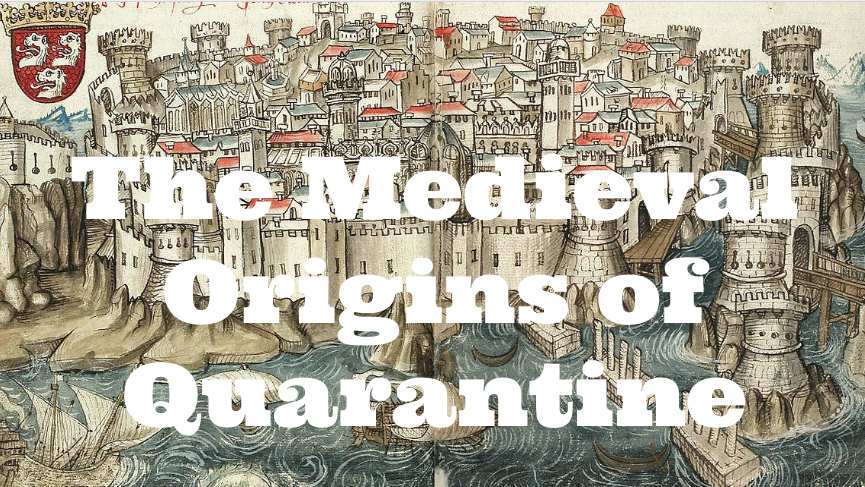
As the world deals with the coronavirus pandemic, some of the key measures authorities are using to deal with the crisis are isolation and quarantine. The origins of quarantine date back to the Middle Ages, an idea that emerged in the wake of the Black Death.
When the bubonic plague struck Europe between the years 1347 to 1351, medieval physicians did not understand how this sickness was spreading. With theories suggesting the cause ranging from 'bad airs' to deliberate poisoning, the measures undertaken to stop the plague usually revolved around keeping cities clean and scapegoating minorities.
When the bubonic plague struck Europe between the years 1347 to 1351, medieval physicians did not understand how this sickness was spreading. With theories suggesting the cause ranging from 'bad airs' to deliberate poisoning, the measures undertaken to stop the plague usually revolved around keeping cities clean and scapegoating minorities.


#423
Tira-Pasagad | Saksak-Sinagol / Re: The whole anti-coronavirus kit and caboodle
April 14, 2020, 11:46:05 AM


#426
Tira-Pasagad | Saksak-Sinagol / Re: Social distancing while socializing
April 13, 2020, 08:40:15 PM


#435
Tira-Pasagad | Saksak-Sinagol / Re: The whole anti-coronavirus kit and caboodle
April 11, 2020, 04:41:20 PM
#436
Tira-Pasagad | Saksak-Sinagol / Re: Social distancing while socializing
April 11, 2020, 04:40:07 PM
#437
Tira-Pasagad | Saksak-Sinagol / Re: The whole anti-coronavirus kit and caboodle
April 11, 2020, 04:36:04 PM


#439
Tira-Pasagad | Saksak-Sinagol / Re: Social distancing while socializing
April 11, 2020, 04:18:30 PM
#440
Tira-Pasagad | Saksak-Sinagol / Re: Bisaya Cebuano s*** Idioms
April 11, 2020, 04:13:58 PM
Nakaigit -- naglisod, monas ginhawa
Maay pay tae, manimaho pa -- palpak, way ayo, nangiwit (as in a contest)
Maay pay tae, manimaho pa -- palpak, way ayo, nangiwit (as in a contest)


#455
Philippine Showcase / Re: Palm Sunday in the Philippines
April 10, 2020, 03:03:07 PM
Palm Sunday 2020...


#457
Tira-Pasagad | Saksak-Sinagol / Re: The whole anti-coronavirus kit and caboodle
April 09, 2020, 10:51:11 PM


#460
Tira-Pasagad | Saksak-Sinagol / Re: The whole anti-coronavirus kit and caboodle
April 09, 2020, 09:50:02 PM


#476
Tira-Pasagad | Saksak-Sinagol / Re: A room with a view
April 01, 2020, 12:22:48 PM
Hmmm, maybe this is "A view with a room"?


#484
Tira-Pasagad | Saksak-Sinagol / Re: Social distancing while socializing
March 30, 2020, 01:00:15 PM
Proposing in the time of covid-19

#485
World Daily News / Re: China’s success in stopping pandemic a sheer fabrication
March 30, 2020, 11:59:59 AM
The Confucian reference is both crucial and ironical since, as Mosher points out, it was Confucius (5 BC) who had taught that the "Great Way" (righteousness leading to social harmony, "public spirited, crime free and even vaguely democratic," in the scholar's words), would pave the way for "datong," or the "Great Unification," which would allegedly put everything and everyone under "tianxia," or All Under Heaven."Great Uniformity" or "Great Tranquility" (in the translation of the famous Scottish Sinologist James Legge) has since been the vision of China's procession of dynasties down to the CPC, Mosher declares.
"The latest iteration of the ancient Quin political culture—the People's Republic of China—similarly longs to bring All Under Heaven... under its sway. And that is why it is so intransigent on Taiwan. And that is why it continues to make territorial demands in the South China Sea, in the East China Sea, on the Tibetan Plateau and elsewhere. Only through continuous expansion can the ideal of the 'Great Uniformity' be realized." INQ
In "Bully of Asia," China expert Steven W. Mosher criticizes China's history of ruthless tyranny and hegemonic obsession.
#486
World Daily News / Re: China’s success in stopping pandemic a sheer fabrication
March 30, 2020, 11:59:14 AM
Superiority complex
How China could hold out its "success" in allegedly stopping COVID-19 as a model for other countries to follow is due to its sense of superiority and history of self-delusion, according to Mosher.
In his latest book, "Bully of Asia: Why China's Dream Is the New Threat to World Order" (2017, Regnery Publishing), Mosher takes readers to a quick survey of Chinese history to show how across the centuries, China has been obsessed with "hegemony" and lording it over others.
"In their obsession with hegemony the Chinese people have their own doctrine of manifest destiny," Mosher writes. "For more than two thousand years, the Chinese considered themselves the geographical and geopolitical center of the world."
The American author describes China's worldview as "Sinocentric—even narcissistic."
Mosher contrasts Sparta's magnanimous victory over Athens during the Peloponnesian War (4 BC), with the Qun dynasty's "Grand Unification" in the following century, and declares the goal of the latter was the "opposite": Quin Shihuangdi (3 BC) "wanted to enslave the Chinese by subjugating their independent kingdoms to his own rule."
"Utterly ruthless in his pursuit of power," Mosher adds, "he was known for slaughtering surrendering armies—as well as Confucian scholars—to the last man."
#487
World Daily News / Re: China’s success in stopping pandemic a sheer fabrication
March 30, 2020, 11:58:33 AM
"What the Communist leadership... did was much simpler," he wrote. "It simply directed doctors across China to stop diagnosing and reporting new cases of the disease. Overnight, new cases dropped to zero."
He wrote there was "evidence that some local jurisdictions have been deliberately underreporting the number of patients who test positive for the virus."Mosher added that the "warehouse hospitals" built overnight "have all been emptied out in a hurry, with many of the occupants sent home while reportedly still testing positive."
He reported that in Beijing, hospitals have canceled "all elective procedures," which he said should suggest they were coping with the influx of Covid-19 patients."Finally," he wrote, "at least one province is requiring all government documents to destroy all 'documents and data' they may have received concerning the epidemic."
Mosher praised American and French attempts to come up with an antidote against COVID-19. Also a biologist, he called a recent French study showing chloroquine and azithromycin could stop the Wuhan virus "promising."
But he said the "real enemy" is not the virus, but the CPC, "the corrupt and tyrannical system that, through its evil and incompetence, unleashed this plague around the world."
#488
World Daily News / Re: China’s success in stopping pandemic a sheer fabrication
March 30, 2020, 11:58:02 AM
A demographer, social scientist, anthropologist and Chinese population expert, Mosher dismissed CPC's claim it "has actually reduced the number of new cases to zero."
Mosher wrote that the likelihood of zero transmission out of China's 1.3 billion people "is about the same as the CPC discovering a cure for cancer, establishing a base on Mars and inventing faster-than-light interstellar travel—all on the same day," Mosher wrote.
Celebrated, controversial
Mosher is a celebrated international scholar who became in 1979 the first American research student to conduct anthropological research in China after the Cultural Revolution. He exposed the forced abortions of women due to the CPC's "one-child policy" and as a result, was barred from entering China again.
Mosher was also expelled from the PhD program of Stanford University, which became a controversy in the academic world. Critics said Stanford bowed down to Chinese pressure, but the university denied this and said Mosher was dropped because he violated research ethics and compromised the safety of his sources in China.
Those sources may have aided Mosher in contesting CPC's claim of defeating the COVID-19 pandemic.
#489
World Daily News / Re: China’s success in stopping pandemic a sheer fabrication
March 30, 2020, 11:57:12 AM
Just the same, the CPC is holding out its dubious claim of total win over the Wuhan virus "as a model for other countries to follow," complained Mosher, who's regularly interviewed on CNN and other broadcast news media agencies on human rights and other issues on China.
"'Learn from China' is the latest Party line," reported the China watcher.
"It is just one more piece of Chinese propaganda to add to the ever-growing pile of lies that Beijing has been telling these past three months."
He called the CPC claim "fake news out of China."
"'Learn from China' is the latest Party line," reported the China watcher.
"It is just one more piece of Chinese propaganda to add to the ever-growing pile of lies that Beijing has been telling these past three months."
He called the CPC claim "fake news out of China."
#490
World Daily News / China’s success in stopping pandemic a sheer fabrication
March 30, 2020, 11:56:35 AM
China's 'success' in stopping pandemic a 'sheer fabrication,' says US China expert
Real enemy is not the new coronavirus, but the Chinese Communist Party, warns author of 'Bully of Asia'
By: Lito B. Zulueta Philippine Daily Inquirer / 04:02 AM March 30, 2020

The recent claims of the Communist Party of China (CPC) of "success" and "zero domestic transmissions" in the fight against the new coronavirus disease (COVID-19) are "propaganda" and "sheer fabrication," according to American China expert and author Steven W. Mosher.
"It is sheer fabrication, no sturdier than the shoddy warehouses that were put up in a week to house the victims of the Wuhan virus," wrote Mosher in an article on the website of the Population Research Institute, which he heads (pop.org).
Real enemy is not the new coronavirus, but the Chinese Communist Party, warns author of 'Bully of Asia'
By: Lito B. Zulueta Philippine Daily Inquirer / 04:02 AM March 30, 2020
The recent claims of the Communist Party of China (CPC) of "success" and "zero domestic transmissions" in the fight against the new coronavirus disease (COVID-19) are "propaganda" and "sheer fabrication," according to American China expert and author Steven W. Mosher.
"It is sheer fabrication, no sturdier than the shoddy warehouses that were put up in a week to house the victims of the Wuhan virus," wrote Mosher in an article on the website of the Population Research Institute, which he heads (pop.org).
#491
Lifestyle, Culture and Arts / Re: Coronavirus and the cool Swedes
March 29, 2020, 12:31:43 PM
'History will be the judge'
But as Swedes watch the rest of Europe grind to a halt, others are starting to question their country's unique approach.
"I think people are prone to listen to the recommendations, but in this kind of critical situation, I am not sure that it's enough," says Dr Emma Frans, an epidemiologist based at Swedish medical university The Karolinska Institute.
She's calling for "clearer instructions" for people on how they should interact in public places such as shops and gyms.
And while business is ticking over for some, others are struggling. Around the corner from Mariatorget's busy bars, popular hipster barber shop Honest Al's has seen customer numbers plummet, despite efforts to improve safety by staggering staffing and appointments.
"My wife is also having her own company, so we pretty much depend on ourselves. Business is bad. I still have bills to pay. We're gonna have to call the banks," says owner Al Mocika.
He's putting his money on Sweden switching tactics and imposing a lockdown, something officials haven't ruled out doing in the future.
Dr Emma Frans says history will be the judge of which politicians and scientists around Europe have made the best calls so far.
"Nobody really knows what measurements will be the most effective," she says. "I'm quite glad that I'm not the one making these decisions".
#492
Lifestyle, Culture and Arts / Re: Coronavirus and the cool Swedes
March 29, 2020, 12:30:00 PM
High level of trust
A majority of Swedes watched and approved of his speech, according to a nationwide survey for Novus, a major polling company.
Meanwhile, there is a high level of trust in public authorities in Sweden, which many believe is driving locals to adhere to voluntary guidelines.
Demography may also be a relevant factor in the country's approach. In contrast to the multi-generational homes in Mediterranean countries, more than half of Swedish households are made up of one person, which cuts the risk of the virus spreading within families.
Meanwhile, Swedes love the outdoors and officials have said that keeping people physically and mentally healthy is another reason they're keen to avoid rules that would keep people cooped up at home.
"We have to combine looking at minimising the health effects of the virus outbreak and the economic impacts of this health crisis," says Andreas Hatzigeorgiou, CEO at the Stockholm Chamber of Commerce.
"The business community here really thinks that the Swedish government and the Swedish approach is more sensible than in many other countries."
#493
Lifestyle, Culture and Arts / Re: Coronavirus and the cool Swedes
March 29, 2020, 12:29:10 PM
Families are able to enjoy the fresh air in a Stockholm park without any restrictions
"We who are adults need to be exactly that: adults. Not spread panic or rumours," Prime Minister Stefan Löfven said in a televised address to the nation last weekend.
"No one is alone in this crisis, but each person has a heavy responsibility."
#494
Lifestyle, Culture and Arts / Re: Coronavirus and the cool Swedes
March 29, 2020, 12:27:57 PM
'Each person has a heavy responsibility'
On the roads in Sweden, things are noticeably quieter than usual. Stockholm's public transport company SL says it saw passenger numbers fall by 50% on subway and commuter trains last week.
Polls also suggest almost half of Stockholmers are remote working.
Stockholm Business Region, a state-funded company that supports the city's global business community, estimates that rises to at least 90% in the capital's largest firms, thanks to a tech-savvy workforce and a business culture that has long promoted flexible and remote working practices.
"Every company that has the possibility to do this, they are doing it, and it works," says its CEO Staffan Ingvarsson.
His words cut to the heart of the government's strategy here: self-responsibility. Public health authorities and politicians are still hoping to slow down the spread of the virus without the need for draconian measures.
There are more guidelines than strict rules, with a focus on staying home if you're sick or elderly, washing your hands, and avoiding any non-essential travel, as well as working from home.
#495
Lifestyle, Culture and Arts / Coronavirus and the cool Swedes
March 29, 2020, 12:27:09 PM
Lockdown, what lockdown? Sweden's unusual response to coronavirus
By Maddy Savage
Stockholm
2 hours ago
https://www.bbc.com/
While swathes of Europe's population endure lockdown conditions in the face of the coronavirus outbreak, one country stands almost alone in allowing life to go on much closer to normal.
After a long winter, it's just become warm enough to sit outside in the Swedish capital and people are making the most of it.
Families are tucking into ice creams beneath a giant statue of the Viking God Thor in Mariatorget square. Young people are enjoying happy-hour bubbles from pavement seating further down the street.
Elsewhere in the city, nightclubs have been open this week, but gatherings for more than 50 people will be banned from Sunday.
Compare that to neighbouring Denmark, which has restricted meetings to 10 people, or the UK where you're no longer supposed to meet anyone outside your household.


Pages 1 2 3 4 5 6 7 8 9 10 11 12 13 14 15 16 17 18 19 20 21 22 23 24 25 26 27 28 29 30 31 32 33 34 35 36 37 38 39 40 41 42 43 44 45 46 47 48 49 50 51 52 53 54 55 56 57 58 59 60 61 62 63 64 65 66 67 68 69 70 71 72 73 74 75 76 77 78 79 80 81 82 83 84 85 86 87 88 89 90 91 92 93 94 95 96 97 98 99 100 101 102 103 104 105 106 107 108 109 110 111 112 113 114 115 116 117 118 119 120 121 122 123 124 125 126 127 128 129 130 131 132 133 134 135 136 137 138 139 140 141 142 143 144 145 146 147 148 149 150 151 152 153 154 155 156 157 158 159 160 161 162 163 164 165 166 167 168 169 170 171 172 173 174 175 176 177 178 179 180 181 182 183 184 185 186 187 188 189 190 191 192 193 194 195 196 197 198 199 200 201 202 203 204 205 206 207 208 209 210 211 212 213 214 215 216 217 218 219 220 221 222 223 224 225 226 227 228 229 230 231 232 233 234 235 236 237 238 239 240 241 242 243 244 245 246 247 248 249 250 251 252 253 254 255 256 257 258 259 260 261 262 263 264 265 266 267 268 269 270 271 272 273 274 275 276 277 278 279 280 281 282 283 284 285 286 287 288 289 290 291 292 293 294 295 296 297 298 299 300 301 302 303 304 305 306 307 308 309 310 311 312 313 314 315 316 317 318 319 320 321 322 323 324 325 326 327 328 329 330 331 332 333 334 335 336 337 338 339 340 341 342 343 344 345 346 347 348 349 350 351 352 353 354 355 356 357 358 359 360 361 362 363 364 365 366 367 368 369 370 371 372 373 374 375 376 377 378 379 380 381 382 383 384 385 386 387 388 389 390 391 392 393 394 395 396 397 398 399 400 401 402 403 404 405 406 407 408 409 410 411 412 413 414 415 416 417 418 419 420 421 422 423 424 425 426 427 428 429 430 431 432 433 434 435 436 437 438 439 440 441 442 443 444 445 446 447 448 449 450 451 452 453 454 455 456 457 458 459 460 461 462 463 464 465 466 467 468 469 470 471 472 473 474 475 476 477 478 479 480 481 482 483 484 485 486 487 488 489 490 491 492 493 494 495 496 497 498 499 500 501 502 503 504 505 506 507 508 509 510 511 512 513 514 515 516 517 518 519 520 521 522 523 524 525 526 527 528 529 530 531 532 533 534 535 536 537 538 539 540 541 542 543 544 545 546 547 548 549 550 551 552 553 554 555 556 557 558 559 560 561 562 563 564 565 566 567 568 569 570 571 572 573 574 575 576 577 578 579 580 581 582 583 584 585 586 587 588 589 590 591 592 593 594 595 596 597 598 599 600 601 602 603 604 605 606 607 608 609 610 611 612 613 614 615 616 617 618 619 620 621 622 623 624 625 626 627 628 629 630 631 632 633 634 635 636 637 638 639 640 641 642 643 644 645 646 647 648 649 650 651 652 653 654 655 656 657 658 659 660 661 662 663 664 665 666 667 668 669 670 671 672 673 674 675 676 677 678 679 680 681 682 683 684 685 686 687 688 689 690 691 692 693 694 695 696 697 698 699 700 701 702 703 704 705 706 707 708 709 710 711 712 713 714 715 716 717 718 719 720 721 722 723 724 725 726 727 728 729 730 731 732 733 734 735 736 737 738 739 740 741 742 743 744 745 746 747 748 749 750 751 752 753 754 755 756 757 758 759 760 761 762 763 764 765 766 767 768 769 770 771 772 773 774 775 776 777 778 779 780 781 782 783 784 785 786 787 788 789 790 791 792 793 794 795 796 797 798 799 800 801 802 803 804 805 806 807 808 809 810 811 812 813 814 815 816 817 818 819 820 821 822 823 824 825 826 827 828 829 830 831 832 833 834 835 836 837 838 839 840 841 842 843 844 845 846 847 848 849 850 851 852 853 854 855 856 857 858 859 860 861 862 863 864 865 866 867 868 869 870 871 872 873 874 875 876 877 878 879 880 881 882 883 884 885 886 887 888 889 890 891 892 893 894 895 896 897 898 899 900