Join MikeLigalig.com!

Why Just Read When You Can Join, Post, and Read!

Menu

Show posts

This section allows you to view all posts made by this member. Note that you can only see posts made in areas you currently have access to.

Show posts Menu

Messages - islander

#24301
hehehe, B as in balingsya?  di pod tingali Booy... ;D
#24302
According to Robert Mickens, a veteran correspondent for The Tablet, the U.K.-based Catholic newspaper, it’s not surprising this kind of attempt happens from time to time.

“The church is very hierarchical, and so it can be quite awkward for security personnel to stop a senior cleric and ask to see his badge,” Mickens said.

Father Federico Lombardi, the Vatican spokesman, would not comment on Napierski’s alleged attempt to enter the congregations. “All I can say is that everyone seated for the congregation is a real cardinal,” he said.

http://www.cameroononline.org/
#24303
At one point he posed for a photo with Italian Cardinal Sergio Sebastiani, president emeritus of the Vatican’s Prefecture for Economic Affairs.

Napierski was stopped by security before he was able to enter the auditorium hosting the meetings. It is not clear what his intentions were in trying to enter the meetings.

This is not the first time bogus clergy tried to enter an important church function. Just last year, a small group of fake bishops reportedly entered the beatification mass for John Paul II.
#24304
The impostor was identified by Italian news agency ANSA as Ralph Napierski. He is a German who said he is part of a non-existent Catholic institution called Corpus Dei (a play on “Opus Dei,” a real Catholic group). His attempted infiltration prompted the Vatican to hold discussions on improving security that already includes sweeping the Sistine Chapel for listening devices.

Napierski was wearing a too-short cassock, a black fedora in place of a clergy’s skull cap and a bright purple-pink sash that turned out to be a simple winter scarf. He was accompanied by a small entourage of fake priest assistants, according to some Italian news reports.

Napierski milled around the area outside the meetings for half an hour with no problems. He told onlookers his name was Basilius and that he was a bishop in the Italian Orthodox Church, which does not exist.
#24305
World Daily News / Fake Cardinal sneaks into Vatican
March 10, 2013, 08:16:33 PM
Fake Cardinal sneaks into pre-conclave meeting at Vatican

Impostor arrived at the Vatican with an entourage of fake clerics

Sunday, March 10, 2013


Ralph Napierski, left, poses with Cardinal Sergio Sebiastiana as the cardinal arrives for talks ahead of a conclave to elect a new pope at the Vatican.

VATICAN CITY â€" The too-short cassock should have been a giveaway.

A man tried to sneak into secret talks Monday that are being held by the Catholic cardinals who will select the next pope.

Wearing a makeshift bishop costume, he arrived at the Vatican with an entourage of fake clerics, even posing for photos with a real cardinal.

He then made it past at least one level of security before being stopped outside the Sistine Chapel.
#24306
History / Re: Conclave: How cardinals elect a Pope
March 10, 2013, 08:11:21 PM
5.  New pope announced


After the election of the new pope has been signaled by white smoke rising from the Sistine Chapel chimney, there will be a short delay before his identity is finally revealed to the world.

Once one candidate has attained the required majority, he is then asked: "Do you accept your canonical election as Supreme Pontiff?"

Having given his consent, the new pope is asked: "By what name do you wish to be called?"

After he has chosen a name, the other cardinals then approach the new pope to make an act of homage and obedience.

The new pope also has to be fitted into his new robes. The papal tailor will have prepared garments to dress a pope of any size - small, medium or large - but some last-minute adjustments may be required.

Then, from the balcony of St Peter's Basilica, the traditional announcement will echo around the square: "Annuntio vobis gaudium magnum... habemus papam!" - "I announce to you a great joy... we have a pope!"


His name is then revealed, and the newly-elected pontiff will make his first public appearance.


After saying a few words, the pope will give the traditional blessing of Urbi et Orbi - "to the city and the world" - and a new pontificate will have begun. (http://www.bbc.co.uk/)
#24307
Photos Unlimited / Re: Do you understand, human?
March 10, 2013, 04:14:44 PM
this here is an alien; sorry, brat cat.
#24308
History / Re: Conclave: How cardinals elect a Pope
March 10, 2013, 02:13:33 AM
4.  Reaching a decision


Vatican workers hoisted a chimney onto the roof of the Sistine Chapel in readiness for the conclave of cardinals that will elect a successor to Pope Benedict XVI.


Pope John Paul II changed the rules of election in 1996. Previously, a candidate had to secure a majority of two-thirds to be elected pope (two-thirds plus one vote if the number of cardinals does not divide by three).

John Paul II ruled that the voting could shift to a simple majority (50% plus one vote) after about 12 days of inconclusive voting.

In 2007, Pope Benedict passed a decree reverting back to the two-thirds majority, thus encouraging cardinals to reach consensus, rather than one bloc backing a candidate with more than half the votes and then holding out for 12 days to ensure his election.

If after three days of balloting nobody has gained the two-thirds majority, voting is suspended for a maximum of one day to allow a pause for prayer, informal discussion and what is described as "a brief spiritual exhortation" by the senior cardinal in the Order of Deacons.

At the end of the election, a document is drawn up giving the results of the voting at each session, and handed over to the new pope. It is kept in an archive in a sealed envelope, which can be opened only on the orders of the pope.


The only clue about what is going on inside the Sistine Chapel is the smoke that emerges twice a day from burning the ballot papers. Black signals failure. The traditional white smoke means a new pope has been chosen. (http://www.bbc.co.uk/)
#24309
History / Re: Conclave: How cardinals elect a Pope
March 10, 2013, 01:58:08 AM


As the papers are counted, one of the scrutineers calls out the names of those cardinals who have received votes. He pierces each paper with a needle - through the word "Eligio" - placing all the ballots on a single thread.

The ballot papers are then burned - giving off the smoke visible to onlookers outside which traditionally turns from black to white once a new pope has been chosen.


Workers place two stoves, one dating back to 1939, at right, and one dating back to 2005, inside the Sistine Chapel, at the Vatican, March 6, 2013. / AP

Damp straw was once added to the stove to turn the smoke black, but over the years there has often been confusion over the colour of the smoke. More recently a dye has been used.

If a second vote is to take place immediately, the ballots from the first vote are put on one side and then burned together with those from the second vote. The process continues until one candidate has achieved the required majority. (http://www.bbc.co.uk/)
#24310
History / Re: Conclave: How cardinals elect a Pope
March 10, 2013, 01:23:34 AM
3.  Voting rituals


The urns into which Catholic cardinals will place their votes during the papal conclave in the Sistine Chapel at the Vatican./ Getty

Voting is held in the Sistine Chapel, "where everything is conducive to an awareness of the presence of God, in whose sight each person will one day be judged".

On the day the conclave begins, the cardinals celebrate Mass in the morning before walking in procession to the chapel.

Once the cardinals are inside the conclave area, they have to swear an oath of secrecy. Then, the Latin command "extra omnes" ("everyone out") instructs all those not involved in the election to leave before the doors are closed.


The cardinals have the option of holding a single ballot on the afternoon of the first day. From the second day, two ballots are held in the morning and two in the afternoon.

The ballot paper is rectangular. Printed on the upper half are the words "Eligio in Summum Pontificem" ("I elect as Supreme Pontiff"). Below is a space for the name of the person chosen. The cardinals are instructed to write the name in a way that does not identify them, and to fold the paper twice.

After all the votes have been cast, the papers are mixed, counted and opened.
#24311
History / Re: Conclave: How cardinals elect a Pope
March 10, 2013, 12:06:42 AM


They are allowed no contact with the outside world - barring a medical emergency. All radios and television sets are removed, no newspapers or magazines are allowed in, and mobile phones are banned.

Two doctors are allowed into the conclave, as well as priests who are able to hear confessions in various languages and housekeeping staff.


All these staff have to swear an oath promising to observe perpetual secrecy, and undertake not to use sound or video recording equipment. (http://www.bbc.co.uk/)
#24312
History / Re: Conclave: How cardinals elect a Pope
March 09, 2013, 11:52:43 PM


John Paul II changed the rules of the Conclave so a Pope could be elected by simple majority.

But Benedict XVI changed the requirements back so that a two-thirds majority is required, meaning the man elected is likely to be a compromise candidate.

Before the voting begins in the Sistine Chapel, the entire area is checked by security experts to ensure there are no hidden microphones or cameras.

Once the conclave has begun, the cardinals eat, vote and sleep within closed-off areas until a new pope has been chosen. (http://www.bbc.co.uk/)
#24313
History / Re: Conclave: How cardinals elect a Pope
March 09, 2013, 11:48:34 PM
2. Secret conclave


The election of a pope is conducted in conditions of secrecy unique in the modern world.

The cardinals are shut away in the Vatican until they reach agreement - the meaning of the word conclave indicating that they are literally locked up "with a key".

The election process can take days. In previous centuries it has gone on for weeks or months and some cardinals have even died during conclaves.

The process is designed to prevent any of the details of the voting emerging, either during or after the conclave. The threat of excommunication hangs over anyone tempted to break this silence. (http://www.bbc.co.uk/)
#24314
History / Re: Conclave: How cardinals elect a Pope
March 09, 2013, 11:38:56 PM
During the time between the Pope's resignation and the election of his successor, the college of cardinals will govern the Church, headed by Cardinal Tarcisio Bertone, as the cardinal camerlengo - or chamberlain.


the Camerlengo

It is his job to supervise the whole election process, with secret votes being held four times daily inside the Vatican's Sistine Chapel. During the Conclave, cardinals reside within the Vatican and are not permitted any contact with the outside world.

During this period all the cardinals - retirees included - will begin to discuss in strict secrecy the merits of likely candidates. (http://www.bbc.co.uk/)
#24315
History / Re: Conclave: How cardinals elect a Pope
March 09, 2013, 11:29:36 PM
Normally the Dean of the College of Cardinals would be responsible for convoking the Conclave. However, as the Dean, Italian Cardinal Angelo Sodano, is 85 and too old to vote, the senior cardinal-elector, Giovanni Battista Re, takes on the responsibility. (http://www.bbc.co.uk/)


Cardinal Giovanni Battista Re
#24316
History / Re: Conclave: How cardinals elect a Pope
March 09, 2013, 11:10:41 PM
There are currently 203 cardinals from 69 countries. The rules of the Conclave were changed in 1975 to exclude all cardinals over the age of 80 from voting. The maximum number of cardinal electors is 120.

During the forthcoming Conclave, there will be 115 cardinal-electors. (http://www.bbc.co.uk/)
#24317
History / Re: Conclave: How cardinals elect a Pope
March 09, 2013, 10:59:49 PM
1. Cardinals summoned to Rome


Popes are chosen by the College of Cardinals, the Church's most senior officials, who are appointed by the Pope and usually ordained bishops. They are summoned to a meeting at the Vatican which is followed by the Papal election - or Conclave. (http://www.bbc.co.uk/)
#24318
Quote from: hubag bohol on March 09, 2013, 08:19:24 PM
Yellow gold? White? Rose?

3-in-1 rings:


#24319
order usa ug bunal ni bugsay.  sayon ra ang intsik.  adto lang sa spratlys ug panatag shoal.
#24320
nag-ing-ani ba pod kaha ang atong resident doctor dinhi sa gamay pa siya? ;D
#24321
History / Re: Conclave: How cardinals elect a Pope
March 09, 2013, 05:00:26 PM
Quote from: fdaray on March 09, 2013, 04:37:17 PM
Hinaot nga wala politics sa pagpili.

there would be, and to nobody's surprise.  but it won't be politics as we know it, with estradas and escuderos and dynasties.  of that we can be sure.
#24322
History / Re: Conclave: How cardinals elect a Pope
March 09, 2013, 04:39:30 PM

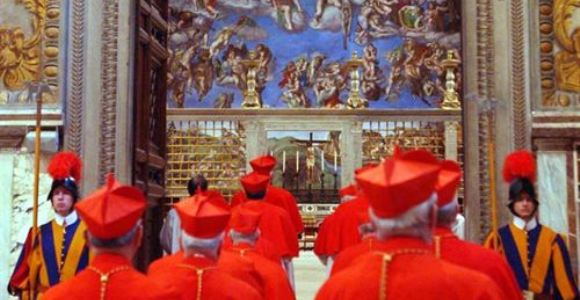
Inside the Sistine Chapel; Michelangelo painted the ceiling
#24323
History / Re: Conclave: How cardinals elect a Pope
March 09, 2013, 04:34:22 PM

The 1492 conclave was the first to be held in the Sistine Chapel, the site of all conclaves since 1878. (wikipedia)
#24324
History / Re: Conclave: How cardinals elect a Pope
March 09, 2013, 04:32:56 PM
A papal conclave is a meeting of the College of Cardinals convened to elect a new Bishop of Rome, also known as the Pope.

The pope is considered by Roman Catholics to be the apostolic successor of Saint Peter and earthly head of the Roman Catholic Church.

The conclave has been the procedure for choosing the pope for more than half of the time the church has been in existence, and is the oldest ongoing method for choosing the leader of an institution. (wikipedia)
#24325
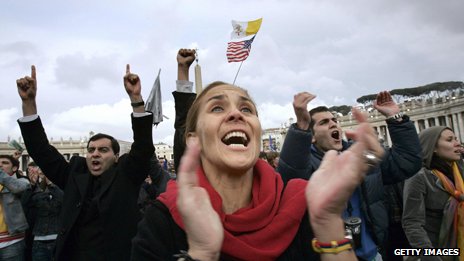
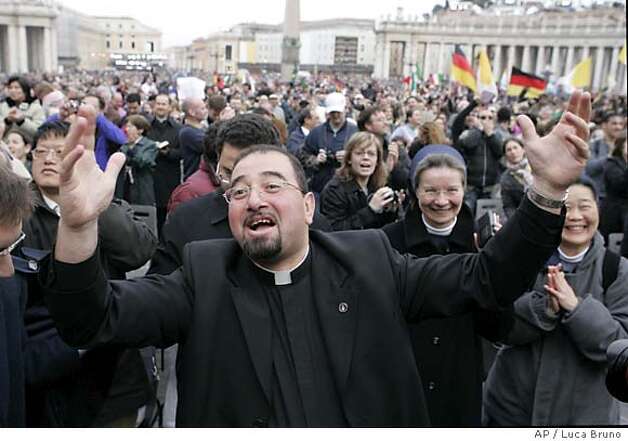
History / Conclave: How cardinals elect a Pope
March 09, 2013, 04:32:24 PM
conclave
(plural conclaves)

-French, from Latin conclave ("room that may be locked up"), from con- (combining form of cum ("with") + clāvis ("key")).

-The set of apartments within which the cardinals of the Roman Catholic Church are continuously secluded while engaged in choosing a pope.
       
-A private meeting; a close or secret assembly.
#24326
Photos Unlimited / Re: Meeeh
March 09, 2013, 03:38:46 PM
puryam tawum...
#24327
The book is a fruit of enormous study and dedicated labor. I highly recommend it and join the author’s “prophetic-utopian” and “praxis-prescriptive” call to “act justly, love tenderly and walk humbly with God” (Micah 6:8 ).

Prof. Dr. Lode Lucas Wostyn
Maryhill School of Theology


http://www.ateneopress.org/
#24328
Applying the methods of biblical scholarships, the author rejects this view and argues that “both the ‘Catholic social teaching’ and the ‘Catholic social thought and praxis’ that make up the one Catholic Social Tradition is rather in a period of transition. It will not be open to a new future unless it courageously faces up to the challenges of interpretation, communication, and practice.” He takes us along in the study of these three challenges using three guidelines: the insights of Paul Ricoeur’s theory of interpretation, Jürgen Habermas’s study of communicative reason and action, and finally Alasdair MacIntyre’s development of a theory of practice. The overall result is fascinating as the author proposes three corresponding sets of principles crucial to “unlocking” the future of the Catholic Social Tradition.
#24329
Few of us have thought of applying the historical-critical study of the Bible to the Catholc Church’s social teaching. This body of teachings has always been surrounded by the aura of infallibility and its formulation shrouded in secrecy, prompting the label “the Church’s best kept secret.” Moreover, it has been recently compiled into an official compendium of social doctrines ready for application throughout the world.
#24330
brief reviews or descriptions of the book:

Many books and articles are written about official Catholic social thought, but excellent critical studies of its methodology in the light of contemporary philosophical thinking are scarce. With this book, written in a genuine liberation perspective, Aloysius Cartagenas fills a gap. His book is a must-read for every Catholic scholar and social activist who seeks to understand and respond to the challenges of contemporary Catholic social thought.

Prof. Dr. Johan Verstraeten
Faculty of Theology and Religious Studies
Catholic University of Leuven


http://www.ateneopress.org/
#24331
Inspiration & Hope / Re: A choice for kindness
March 09, 2013, 12:37:16 PM
err on the side of compassion...
#24332
Tira-Pasagad | Saksak-Sinagol / Re: Makong Pasayan
March 09, 2013, 12:35:08 PM
i'm waiting for the father...
#24333
maayo gyod ni kaayo ikomparar sa paggamit ug backhoe sa maguindanao.
#24334
klarong successful gyod ning bataa in the field of lobotomy.
#24335
Bisaya Cebuano Language / Re: Conclave sa mga hubog
March 09, 2013, 12:29:01 PM
wa gyoy tblander ani nga conclave sa mga hubog?  morag kaila ko aning gasuwat da.  kaila ko pero di mi kaila, i take care to qualify.  ex-seminarian ni siya. 
#24336
hahay.  a temple is a temple, bahalag lahi ug religion.  siyaro na man pod ning duha, turista man diay nga nahimong stray dogs, tsk, tsk. ::)
#24337
just curious... why are some posts, like my new posts in the business and products review board, are not reflected in the latest topics column at the right side of the page.  is that how it is, mr webmaster?
#24338
pasalig ko (nga kutihan) nga di mo magmahay--raqz, vrglguaps, langgamtamsi, sir balong, fr chic, the newly married webmaster, and those who are planning to put up a restaurant.

kung maminyo na si taga-tigbao ug lolla (not to each other but to their respective lucky partners), mo-order gyod ko dayon ni bugsay ug ottoman para i-gift.  okay lang, bugs? :) 
#24339
for the interested and curious, pm lang ni bugsay.  o send an sms, pero mananghid usa ko niya kun mahimo bang i-post nako dinhi ang iyang mobile phone number. 
#24340
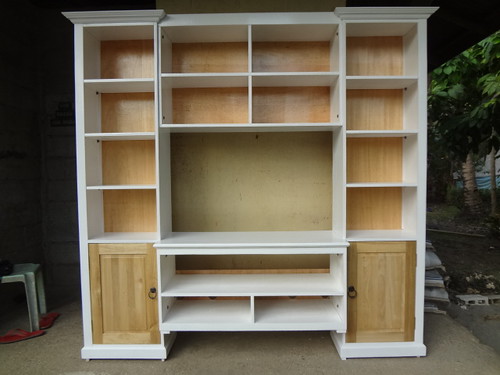
my special future orders:


#24341
other products of bugsay (available upon orders kay mao pa man kuno ang iyang pagsugod.  naka-buena mano hinoon ko.): 

dining tables and chairs
cabinets

OT:  cabinet-making is the first choice of career by daniel day-lewis.
#24342
naa koy standing nga hangyo ni bugsay nga ang among mga cabinets iyang i-restore ug ingon ani:

1. 

o ing-ani ba kaha.  (mas ganahan ko sa simpler no. 1.)

2. 
#24343
pahilom-hilom lang na si bugsay.  siya man diay ang artisan in our midst.  sa pagkakaron, daghan na ang gustong magpahimog pareha sa akong ottoman.  sugot ko kay maayo man na ug akong gi-patent.
#24344


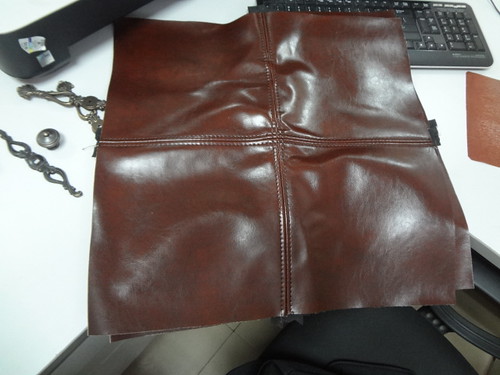
my understanding is that the finishing stage was yet to follow when these pictures were taken.
#24345

another version of an ottoman

mahimong tray ang ibabaw; mahimong coffee table
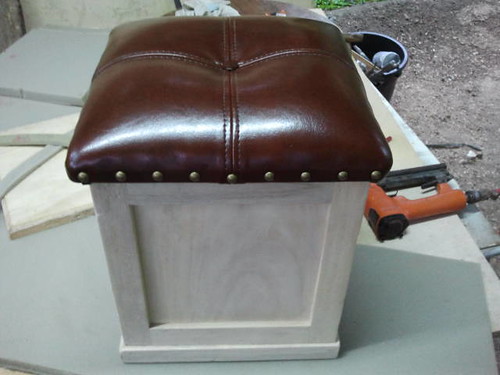
#24346
the making of my ottoman (with thanks to bugsay who bothered to update me along the way):


#24347
my ottoman is hollow.  i use it for storage of knickknacks and books and magazines that i'm currently reading.  of course, it's first and foremost a first-rate stool nga angay kaayong iparis sa among day bed.  pulido ang pagkahimo ni bugsay, wa koy mahay.  (barato pa gyod, hihihi.)

#24348
this is my latest acquisition for the house.  this is an ottoman, built to my specifications.  the maker-- tblander BUGSAY.


An ottoman is a piece of furniture consisting of a padded, upholstered seat or bench, usually having neither a back nor arms, often used as a stool or footstool, or in some cases as a coffee table. Ottomans are often sold as coordinating furniture with armchairs or gliders.

An ottoman can also be known as a footstool, tuffet, hassock, or pouffe. Some ottomans are hollow and used for storage. (wikipedia)
#24349

dishwashing magnate
#24350
Photos Unlimited / Re: World leaders in their youth
March 08, 2013, 06:10:59 PM


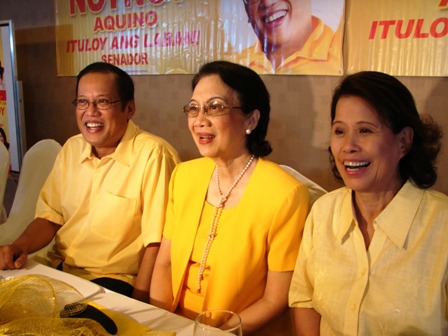
Cory Aquino and Benigno Aquino III, Philippine Presidents

#24351
Photos Unlimited / Re: World leaders in their youth
March 08, 2013, 05:30:48 PM

Joseph Ratzinger, Pope Emeritus Benedict XVI

#24352
Photos Unlimited / Re: World leaders in their youth
March 08, 2013, 05:25:21 PM

Tenzin Gyatso, the 14th Dalai Lama

#24353
Photos Unlimited / Re: World leaders in their youth
March 08, 2013, 05:18:00 PM

Mao Zedong, President of the People's Republic of China


#24354
Photos Unlimited / Re: World leaders in their youth
March 08, 2013, 05:04:15 PM

Nelson Mandela, South African President

#24355
Photos Unlimited / Re: World leaders in their youth
March 08, 2013, 04:50:18 PM

Fidel Castro, Cuban Prime Minister

#24356
Photos Unlimited / Re: World leaders in their youth
March 08, 2013, 04:44:39 PM

Kevin Rudd, Australian Prime Minister

#24357
Photos Unlimited / Re: World leaders in their youth
March 08, 2013, 04:26:33 PM

Mahmoud Ahmadinejad, Iranian Prime Minister

#24358
Photos Unlimited / Re: World leaders in their youth
March 08, 2013, 04:23:26 PM

Robert Mugabe, President of Zimbabwe

#24359
Photos Unlimited / Re: World leaders in their youth
March 08, 2013, 04:19:59 PM

Barack Obama, US President

#24360
Photos Unlimited / Re: World leaders in their youth
March 08, 2013, 04:17:54 PM

Vladimir Putin, Russian Prime Minister

#24361
Photos Unlimited / Re: World leaders in their youth
March 08, 2013, 04:15:42 PM

Jose Luis Rodriguez Zapatero, Spanish Prime Minister

#24362
Photos Unlimited / Re: World leaders in their youth
March 08, 2013, 04:13:10 PM

Angela Merkel, German Chancellor

#24363
Photos Unlimited / Re: World leaders in their youth
March 08, 2013, 04:10:51 PM

Silvio Berlusconi, Italian Prime Minister

#24364
Photos Unlimited / Re: World leaders in their youth
March 08, 2013, 04:08:50 PM

Nicholas Sarkozy, French President

#24365
Photos Unlimited / World leaders in their youth
March 08, 2013, 04:05:56 PM

Gordon Brown, British Prime Minister

#24366
Quote from: hubag bohol on March 05, 2013, 02:59:11 PM
Precisely the reason why I'm offering an exchange... :)

but you fit together!  why waste a great relationship? ;D
#24367
Photos Unlimited / Re: News images
March 08, 2013, 03:44:16 PM

The coffin of Venezuela's late President Hugo Chavez is driven through the streets of Caracas after leaving the military hospital where he died of cancer, in Caracas, March 6, 2013. REUTERS/Marco Bello

http://www.reuters.com/
#24368
Photos Unlimited / Re: News images
March 08, 2013, 03:42:33 PM

Argentina's President Cristina Fernandez (L), her Uruguayan counterpart Jose Mujica (2nd L) and her Bolivian counterpart Evo Morales (2nd R) stand next to the coffin of late Venezuelan President Hugo Chavez during a wake at the military academy in Caracas March 6, 2013. REUTERS/Miraflores Palace

http://www.reuters.com/
#24369
Photos Unlimited / Re: News images
March 08, 2013, 03:40:46 PM

The coffin of Venezuela's late President Hugo Chavez is driven through the streets of Caracas after leaving the military hospital where he died of cancer, in Caracas, March 6, 2013. REUTERS/Christian Veron

http://www.reuters.com/
#24370
Photos Unlimited / Re: News images
March 08, 2013, 03:38:45 PM
06 March 2013


Do cry for him, Venezuela


President Hugo Chavez
July 28, 1954 - March 5, 2013
President of Venezuela: February 2, 1999 â€" March 5, 2013
#24371
History / Re: The Japanese Oskar Schindler
March 08, 2013, 10:07:51 AM
"I cannot allow these people to die, people who have come to me for help with death staring them in the eyes. Whatever punishment may be imposed on me, I know I should follow my conscience."

                                         - Chiune Sugihara

http://www.iearn.org/
#24372
History / Re: The Japanese Oskar Schindler
March 08, 2013, 10:04:32 AM
"You want to know about my motivation, don't you? Well, it is the kind of sentiments anyone would have when he actually sees refugees face to face, begging with tears in their eyes. He just cannot help but sympathize with them. Among the refugees were the elderly and women. They were so desperate that they went so far as to kiss my shoes, Yes, I actually witnessed such scenes with my own eyes. Also, I felt at that time, that the Japanese government did not have any uniform opinion in Tokyo. Some Japanese military leaders were just scared because of the pressure from the Nazis; while other officials in the Home Ministry were simply ambivalent.

People in Tokyo were not united. I felt it silly to deal with them. So, I made up my mind not to wait for their reply. I knew that somebody would surely complain about me in the future. But, I myself thought this would be the right thing to do. There is nothing wrong in saving many people's lives... The spirit of humanity, philanthropy... neighborly friendship... with this spirit, I ventured to do what I did, confronting this most difficult situationâ€" and because of this reason, I went ahead with redoubled courage."

-Chiune Sugihara
in 1985, 45 years after the Soviet invasion of Lithuania


wikipedia/
#24373
History / Re: The Japanese Oskar Schindler
March 08, 2013, 03:05:13 AM

Though still not officially canonized, he is considered a saint by some Eastern Orthodox Christians. (wikipedia)
#24374
History / Re: The Japanese Oskar Schindler
March 08, 2013, 03:03:04 AM


#24375
History / Re: The Japanese Oskar Schindler
March 08, 2013, 02:56:24 AM
Chiune Sugihara Memorial
Los Angeles, CA, USA


The memorial, entitled "Chiune Sugihara Memorial, Hero of the Holocaust" depicts a life-size Sugihara seated on a bench, holding a visa in his hand and is accompanied by a quote from the Talmud: "He who saves one life, saves the entire world."
#24376
History / Re: The Japanese Oskar Schindler
March 08, 2013, 01:56:04 AM
Chiune Sugihara Humanity Center
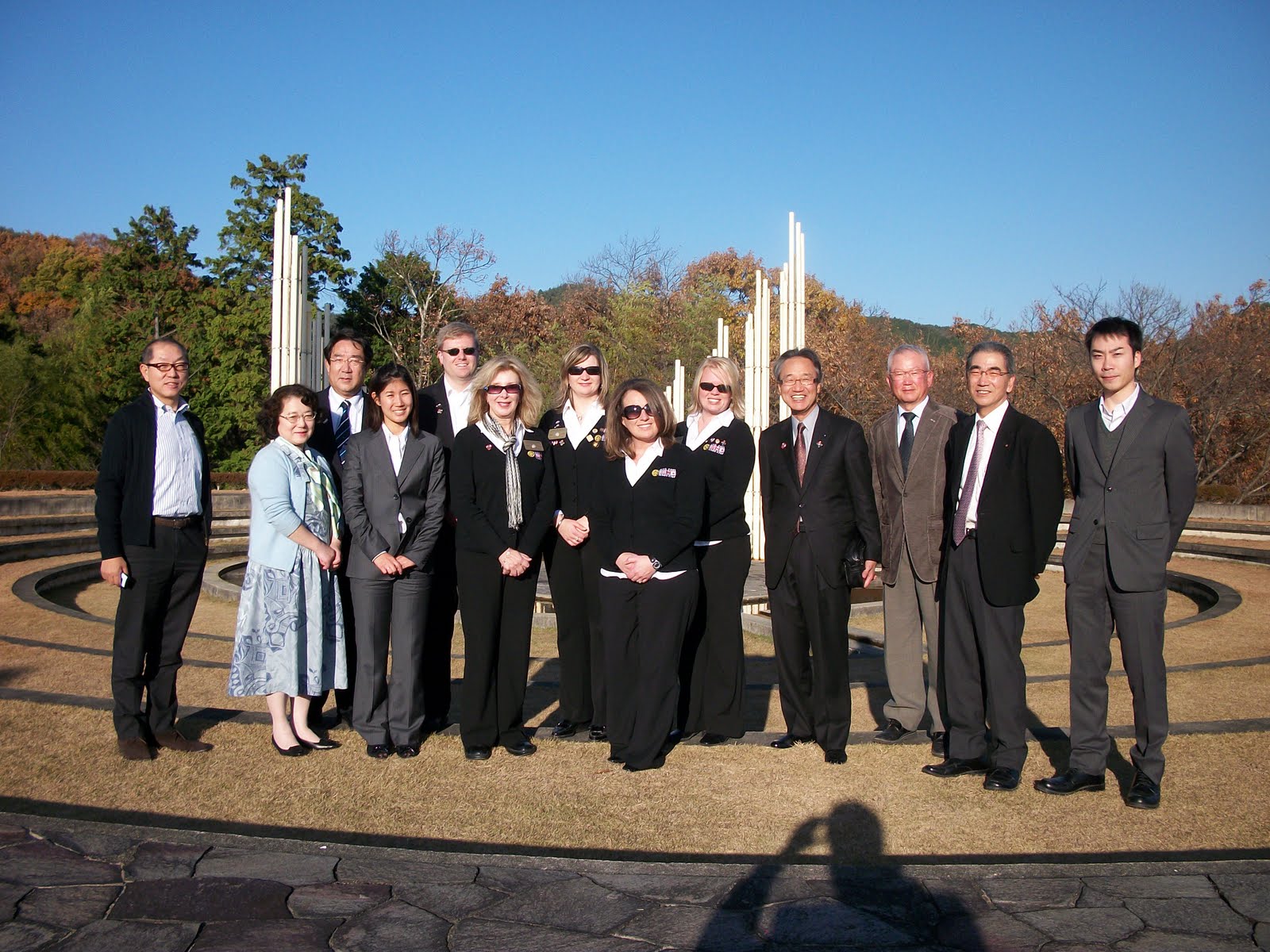
Yaotsu, Japan


#24377
History / Re: The Japanese Oskar Schindler
March 08, 2013, 01:37:38 AM

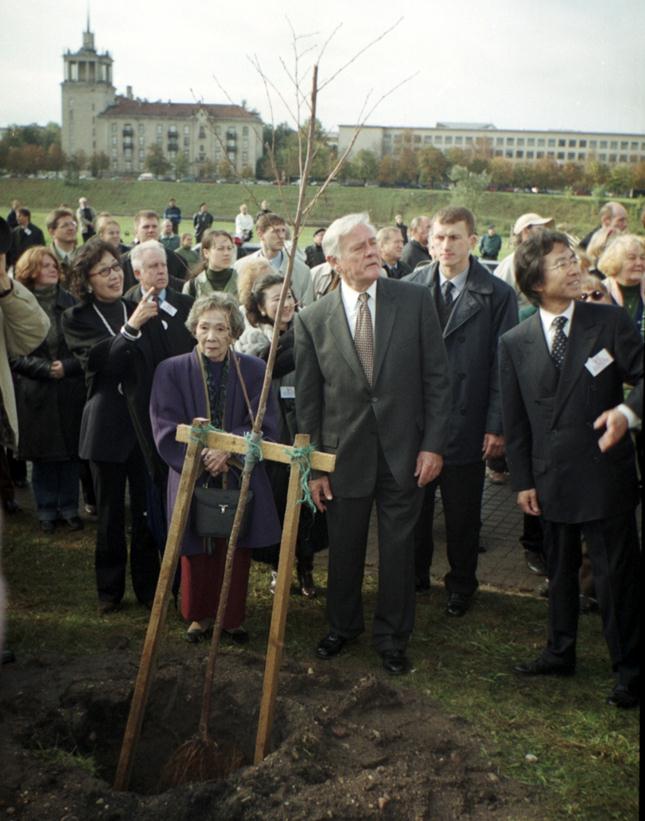
Sugihara's widow with Lithuania's then president Valdas Adamkus at a tree planting ceremony in Vilnius, Lithuania in 2001.


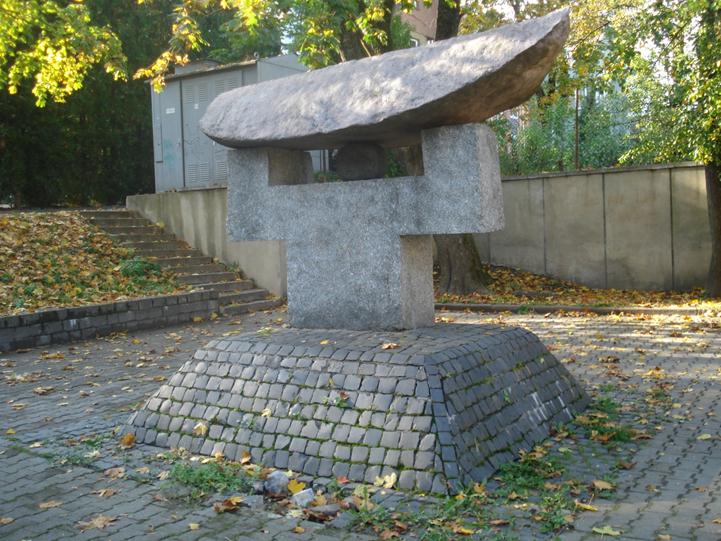
Chiune Sugihara memorial in Vilnius.
#24378
History / Re: The Japanese Oskar Schindler
March 08, 2013, 01:29:25 AM
In 1968, Jehoshua Nishtri, an Israeli diplomat in Tokyo and one of the Jews Sugihara had helped save, finally tracked Sugihara down.  Together with others, he lobbied the Israeli government for Chiune Sugihara’s inclusion in the Yad Vashem memorial, which was granted after extensive research, in 1985.  By this time, Chiune was ill.  Yukiko went to Israel and accepted the honor on his behalf.  In gratitude for his deeds, Chiune Sugihara and his descendants were granted Israeli citizenship in perpetuity.


Yukiko and Chiune Sugihara with Itzhak Shamir, Prime Minister of Israel

Nobody knows exactly how many visas Chiune Sugihara issued to Jewish refugees. He reported to the Japanese Foreign Ministry that he had issued 2,132 visas of which 1,500 were to Jews.  It is estimated that he helped save anywhere from 6,000 to 10,000 Jews. At least 40,000 descendants of Sugihara visa-holders are alive today.


In Japan, Chiune Sugihara was honored in the year 2000 on the 100th anniversary of his birth. He had been born on January 1, 1900 â€" the first day of the 20th century.  In 2002, a bronze statue of him was erected in the Little Tokyo district of Los Angeles in the United States. ((http://vilnews.com/))
#24379
History / Re: The Japanese Oskar Schindler
March 08, 2013, 01:11:28 AM
After Lithuania

Soon after arriving in Berlin, Chiune Sugihara was posted to Prague, where he and his family got a much-needed rest.  Even so, he continued writing visas in Prague, and later in Koenigsburg, his last diplomatic post.


After the war, he and his family were detained by the Russians in one internment camp after another. The Soviet Union had declared war on Japan in August of 1945.  When he returned to Japan, Chiune Sugihara was summarily dismissed from the Foreign Service in 1947. His youngest son Haruki died shortly after, but four years later a new son was born. To support his family, he worked at odd jobs, including selling light bulbs.

In 1960, because of his fluent command of the Russian language, Sugihara got a job for a trading company that did business with the Soviet Union that required him to live in Moscow. He visited his family from time to time for sixteen years until his retirement. (http://vilnews.com/)
#24380
History / Re: The Japanese Oskar Schindler
March 08, 2013, 12:39:36 AM
also:

Polish intelligence produced some false visas.

***
there were also "some Jesuits in Vilna who were issuing Sugihara visas with seals that he had left behind and did not destroy, long after the Japanese diplomat had departed" which means that some Jews could have escaped Europe with forged visas issued under Sugihara's name. (wikipedia)
#24381
History / Re: The Japanese Oskar Schindler
March 08, 2013, 12:24:15 AM

An older Chiune Sugihara

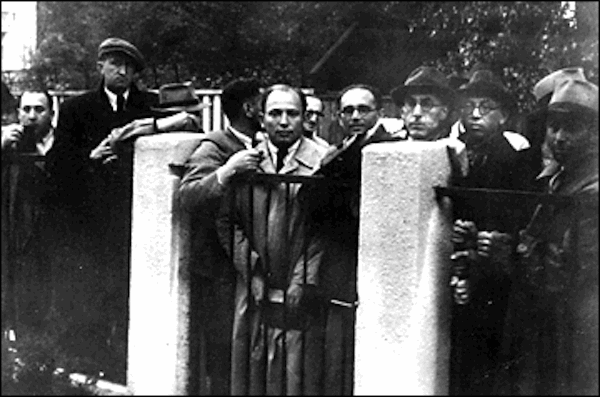
In final desperation, blank sheets of paper with only the consulate seal and his signature (that could be later written over into a visa) were hurriedly prepared and flung out from the train. As he prepared to depart, he said, “Please forgive me. I cannot write anymore. I wish you the best.” When he bowed deeply to the people before him, someone exclaimed, “Sugihara. We’ll never forget you. I’ll surely see you again!” (wikipedia)
#24382
History / Re: The Japanese Oskar Schindler
March 08, 2013, 12:23:14 AM
Sugihara continued to hand write visas, reportedly spending 18â€"20 hours a day on them, producing a normal month's worth of visas each day, until 4 September, when he had to leave his post before the consulate was closed. By that time he had granted thousands of visas to Jews, many of whom were heads of households and thus permitted to take their families with them. On the night before their scheduled departure, Sugihara and his wife stayed awake writing out visa approvals.


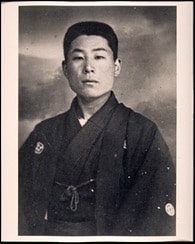
A younger Chiune Sugihara

According to witnesses, he was still writing visas while in transit from his hotel and after boarding the train at the Kaunas Railway Station, throwing visas into the crowd of desperate refugees out of the train's window even as the train pulled out. (wikipedia)
#24383
History / Re: The Japanese Oskar Schindler
March 07, 2013, 11:56:01 PM
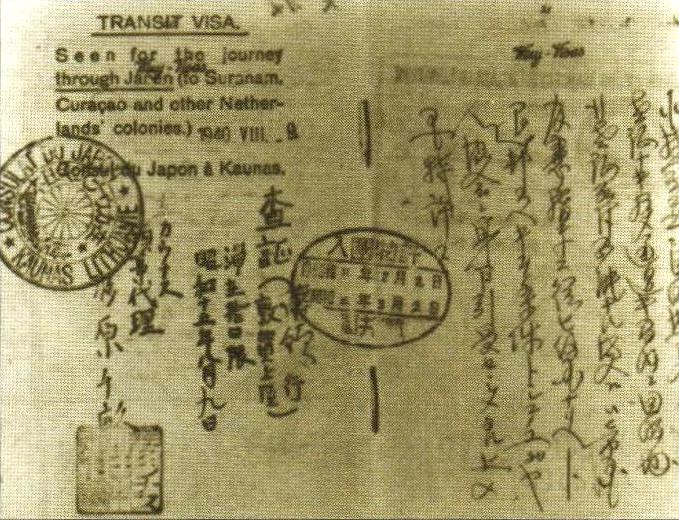
From 18 July to 28 August 1940, aware that applicants were in danger if they stayed behind, Sugihara began to grant visas on his own initiative, after consulting with his family. He ignored the requirements and issued the Jews with a ten-day visa to transit through Japan, in direct violation of his orders. Given his inferior post and the culture of the Japanese Foreign Service bureaucracy, this was an extraordinary act of disobedience. He spoke to Soviet officials who agreed to let the Jews travel through the country via the Trans-Siberian Railway at five times the standard ticket price. (wikipedia)


A visa issued by Sugihara
#24384
History / Re: The Japanese Oskar Schindler
March 07, 2013, 11:50:02 PM
The Conspiracy of Kindness

By 1940, most of Western Europe had been conquered by the Nazis, with Britain standing alone. The rest of the free world, with very few exceptions, barred the immigration of Jewish refugees from Poland or anywhere in Nazi-occupied Europe.

Against this terrible backdrop, the Japanese Consul Chiune Sugihara suddenly became the linchpin in a desperate plan for survival. The fate of thousands of families depended on his humanity. The Germans were rapidly advancing east. In July 1940, the Soviet authorities instructed all foreign embassies to leave Kaunas. Almost all left immediately, but Chiune Sugihara requested and received a 20-day extension.


Except for Mr. Jan Zwartendijk, the acting Dutch consul, Chiune Sugihara was now the only foreign consul left in Lithuanania's capital city. They had much work to do. (http://www.jewishvirtuallibrary.org/)
#24385
History / Re: The Japanese Oskar Schindler
March 07, 2013, 11:19:17 PM


Hundreds of refugees came to the Japanese consulate in Kaunas, trying to get a visa to Japan. The Dutch consul Jan Zwartendijk had provided some of them with an official third destination to Curaçao, a Caribbean island and Dutch colony that required no entry visa, or Surinam (which, upon independence in 1975, became Suriname).

At the time, the Japanese government required that visas be issued only to those who had gone through appropriate immigration procedures and had enough funds. Most of the refugees did not fulfill these criteria. Sugihara dutifully contacted the Japanese Foreign Ministry three times for instructions. Each time, the Ministry responded that anybody granted a visa should have a visa to a third destination to exit Japan, with no exceptions. (wikipedia)
#24386
History / Re: The Japanese Oskar Schindler
March 07, 2013, 11:17:05 PM
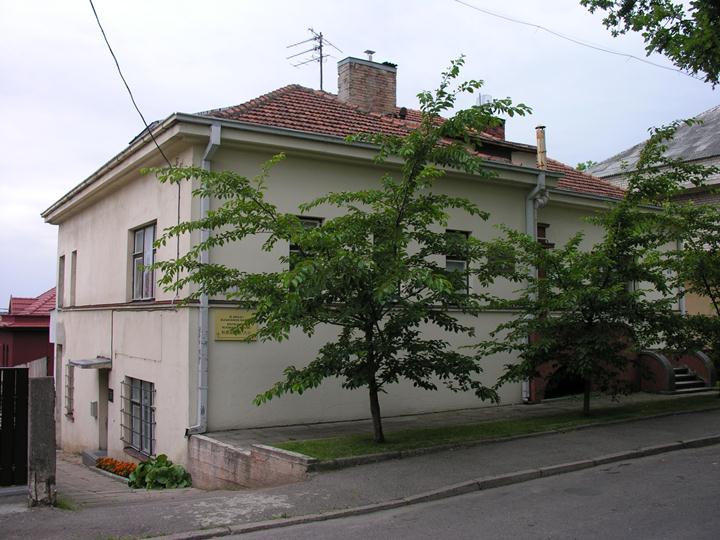
In 1939, he became a vice-consul of the Japanese Consulate in Kaunas, Lithuania. His other duty was to report on Soviet and German troop movements.

Sugihara is said to have cooperated with Polish intelligence, as part of a bigger Japanese-Polish cooperative plan. As the Soviet Union occupied sovereign Lithuania in 1940, many Jewish refugees from Poland (Polish Jews) as well as Lithuanian Jews tried to acquire exit visas. Without the visas it was dangerous to travel, yet it was impossible to find countries willing to issue them. (wikipedia)


The former Japanese Consulate in Kaunas, Lithuania
#24387
Quote from: chicogon on March 07, 2013, 05:53:55 PM


Palag mo?

palag gyod ko.  ako may naghipos sa imong diaper, doy... ;D
#24388
iksoon ra gyod diay mo, hubs ug bolbs.
#24389
Photos Unlimited / Re: Lunhaw
March 07, 2013, 10:33:49 PM
#24390
Photos Unlimited / Re: Lunhaw
March 07, 2013, 10:32:59 PM
#24391
Photos Unlimited / Re: Lunhaw
March 07, 2013, 10:31:17 PM
Quote from: hubag bohol on March 07, 2013, 09:34:39 PM
No such green bird. An excrementalist's imagination is at work here... ;D

cheer up.  it's only a product of a business that sells printers.  besides, for the color blind, this green bird may as well be colored brown, right in keeping with excrements. ;D
#24392
History / Re: The Japanese Oskar Schindler
March 07, 2013, 08:12:41 PM


Sugihara wrote travel visas that facilitated the escape of more than 6,000 Jewish refugees to Japanese territory, risking his career and his family's lives. Sugihara had told the refugees to call him "Sempo", the Chinese reading of the characters in his first name, discovering it was much easier for Western people to pronounce.  In 1985, Israel honored him as Righteous Among the Nations for his actions.

http://www.kosherdelight.com/
#24393
History / Re: The Japanese Oskar Schindler
March 07, 2013, 08:11:03 PM


Chiune Sugihara (杉原 千畝 Sugihara Chiune, 1 January 1900 â€" 31 July 1986) was a Japanese diplomat who served as Vice-Consul for the Empire of Japan in Lithuania.

During World War II, he helped several thousand Jews leave the country by issuing transit visas to Jewish refugees so that they could travel to Japan. Most of the Jews who escaped were refugees from German-occupied Poland and residents of Lithuania.

http://www.kosherdelight.com/
#24394
History / The Japanese Oskar Schindler
March 07, 2013, 08:09:39 PM

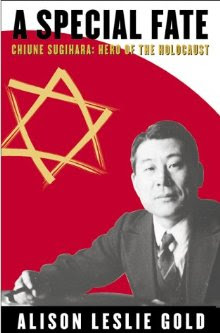
Consul Sugihara Chiune
1 January 1900 â€" 31 July 1986
The Japanese diplomat known as "Japanese Oskar Schindler."
#24395
Photos Unlimited / Re: Lunhaw
March 07, 2013, 06:05:25 PM
#24396
Photos Unlimited / Re: Lunhaw
March 07, 2013, 06:03:46 PM
#24397
Photos Unlimited / Re: Lunhaw
March 07, 2013, 06:01:46 PM
#24398
Photos Unlimited / Re: Lunhaw
March 07, 2013, 06:00:18 PM
#24400
dear kwanggilita,

ang maayo ani, imong i-research kun nagpagasto ba pod imong boyfriend sa ubang babaye.  kun imong mamatud-an, aba, panahon na na isumbong mo kay tulfo ang boyfriend mo sa BIR para malaman mo kung nagbabayad ba siya ng income tax.  bilib na lang ka sa iyang trabaho kun maohon.  hayahaya niyag qualification tingali sa?

heartline island