This section allows you to view all posts made by this member. Note that you can only see posts made in areas you currently have access to.
Pages 1 2 3 4 5 6 7 8 9 10 11 12 13 14 15 16 17 18 19 20 21 22 23 24 25 26 27 28 29 30 31 32 33 34 35 36 37 38 39 40 41 42 43 44 45 46 47 48 49 50 51 52 53 54 55 56 57 58 59 60 61 62 63 64 65 66 67 68 69 70 71 72 73 74 75 76 77 78 79 80 81 82 83 84 85 86 87 88 89 90 91 92 93 94 95 96 97 98 99 100 101 102 103 104 105 106 107 108 109 110 111 112 113 114 115 116 117 118 119 120 121 122 123 124 125 126 127 128 129 130 131 132 133 134 135 136 137 138 139 140 141 142 143 144 145 146 147 148 149 150 151 152 153 154 155 156 157 158 159 160 161 162 163 164 165 166 167 168 169 170 171 172 173 174 175 176 177 178 179 180 181 182 183 184 185 186 187 188 189 190 191 192 193 194 195 196 197 198 199 200 201 202 203 204 205 206 207 208 209 210 211 212 213 214 215 216 217 218 219 220 221 222 223 224 225 226 227 228 229 230 231 232 233 234 235 236 237 238 239 240 241 242 243 244 245 246 247 248 249 250 251 252 253 254 255 256 257 258 259 260 261 262 263 264 265 266 267 268 269 270 271 272 273 274 275 276 277 278 279 280 281 282 283 284 285 286 287 288 289 290 291 292 293 294 295 296 297 298 299 300 301 302 303 304 305 306 307 308 309 310 311 312 313 314 315 316 317 318 319 320 321 322 323 324 325 326 327 328 329 330 331 332 333 334 335 336 337 338 339 340 341 342 343 344 345 346 347 348 349 350 351 352 353 354 355 356 357 358 359 360 361 362 363 364 365 366 367 368 369 370 371 372 373 374 375 376 377 378 379 380 381 382 383 384 385 386 387 388 389 390 391 392 393 394 395 396 397 398 399 400 401 402 403 404 405 406 407 408 409 410 411 412 413 414 415 416 417 418 419 420 421 422 423 424 425 426 427 428 429 430 431 432 433 434 435 436 437 438 439 440 441 442 443 444 445 446 447 448 449 450 451 452 453 454 455 456 457 458 459 460 461 462 463 464 465 466 467 468 469 470 471 472 473 474 475 476 477 478 479 480 481 482 483 484 485 486 487 488 489 490 491 492 493 494 495 496 497 498 499 500 501 502 503 504 505 506 507 508 509 510 511 512 513 514 515 516 517 518 519 520 521 522 523 524 525 526 527 528 529 530 531 532 533 534 535 536 537 538 539
#15301
Music and Video / How to save a life (instrumental cover)
March 19, 2012, 12:51:39 PM #15302
Photos Unlimited / Re: Standing in line
March 19, 2012, 12:48:37 PM
Hehehe cute kaayo si gamaytitoy.
He thinks he's one of the big boys.

He thinks he's one of the big boys.
#15303
Philippine Showcase / Re: Ilonggo Song: Pangabuhi sa Uma
March 19, 2012, 12:46:25 PM
Ang pangabuhi sa uma laka ang pamalay
layo sa karsada
ang sulu kingki kag mitsa ang sarakyan karosa hinanggot kag nilapwahan, may aloy nga inasinan, ensalada nga batwan, adobo nga pangka ug..
Pangabuhi sa uma, di ko gid pag ibaylo sa syudad, sa syudad nga magamo
Pangabuhi sa uma, di ko gid pag ibaylo bisan pa ako piriton mo
Pag bugtaw sa aga pangape sara-sara,
saging nga mundo sa kalamay nga pula, sa tag irigma ginat-an nga dagmay
may urang kag kalampay
sa panihapon may apan-apan
#15305
Philippine Showcase / Re: Ilonggo Song: Bakya ni neneng
March 19, 2012, 12:44:11 PM
Bolbuhol, this song is for you.
#15306
Philippine Showcase / Ilonggo Song: Bakya ni neneng
March 19, 2012, 12:43:57 PM #15307
Philippine Photo Gallery / Re: Tinali Tinalo Tinola
March 19, 2012, 12:32:55 PM
Thanks , Father.
#15308
History / Re: The Second Sino-Japanese War (July 7, 1937 – September 2, 1945)
March 19, 2012, 12:31:24 PM
hahaha, o man. i'm going to hold my tongue on this one. 
#15309
Tira-Pasagad | Saksak-Sinagol / Re: Make a poem for Islander riding a dog
March 19, 2012, 12:29:34 PM
bwahahahaha!
Bravo to our Singing and Rhyming Priest !
Super Awesome !
Bravo to our Singing and Rhyming Priest !
Super Awesome !
#15310
Music and Video / Re: Oliver Shanti: Spring in Lhasa
March 19, 2012, 12:28:02 PM
Exquisite and divine !
#15311
Music and Video / Oliver Shanti: Spring in Lhasa
March 19, 2012, 12:27:51 PM #15312
Music and Video / Enya: Wilows on the water
March 19, 2012, 12:26:07 PM #15314
Photos Unlimited / Re: Amazing places
March 19, 2012, 12:16:29 PMQuote from: hubag bohol on March 18, 2012, 08:56:16 PM
Simply awesome! Personally, I find this place morbidly fascinating...

Asa man ni, bai Hubag?
Wow !
#15315
Tira-Pasagad | Saksak-Sinagol / Re: How people see your house
March 19, 2012, 12:15:22 PM
beautiful house! you know as they say.."beauty is in the eye of the beholder" 
#15316
Tira-Pasagad | Saksak-Sinagol / Re: Mas Pinangga Pa Sa Asawa: Pastilan
March 19, 2012, 12:11:34 PM
Bwahahahahaha! Sure gajud ko nga kuan ni sija...Sabongero Companyero...
#15317
Tira-Pasagad | Saksak-Sinagol / Re: Make a poem for Islander riding a dog
March 19, 2012, 12:10:21 PMQuote from: bugsay on March 19, 2012, 10:11:26 AM
iro ko'ng dako
gihimo ko'ng kabayo
bantog nagbalik-balik
nakakita diay ni banana republic.

Baaaaahahahaa!
Good one!
#15318
Tira-Pasagad | Saksak-Sinagol / Re: Make a poem for Islander riding a dog
March 19, 2012, 12:08:55 PMQuote from: islander on March 19, 2012, 09:05:37 AM
maayo gani kay wa ko nimo kusia kay, na, ready-to-paak ug kiting ra ba gyod ning akong handsome pardner nga si hubsay.
bwahahahaha! ay ka cute-a! mo paak diay si gamaytitoy inchik cute
#15319
Business and Economy / Re: Hong Kong: New York of Asia
March 19, 2012, 12:07:42 PMQuote from: Mulligan on March 19, 2012, 10:16:37 AM
Halos nasudlan tanan bai Bran bisag dili Katoliko. hehe
Yes, last sulod nako adto christmas day with my family. Peru latin (spanish) lang ang misa. hehe
Hehehehe! So you got the entire view gajud, ah, bai bedo?
Next time lagi, we have to meet up. That would be nice.
#15320
Philippine Photo Gallery / Re: Tinali Tinalo Tinola
March 19, 2012, 12:04:27 PMQuote from: hubag bohol on March 19, 2012, 11:53:54 AM

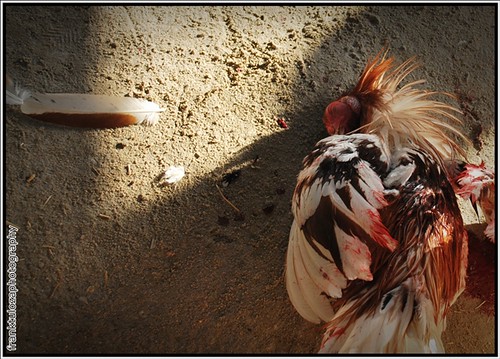


hehe kuyawa kaayo oy! i miss eating that malangghoy ! or is it balangghoy? hehehe
unsa man ni, bai hubs, tinolang manok?
#15321
History / Re: The Second Sino-Japanese War (July 7, 1937 – September 2, 1945)
March 19, 2012, 12:01:05 PMQuote from: hubag bohol on March 19, 2012, 11:40:07 AM
Tokyo governor backs Nanjing massacre denial
(AFP) â€" Feb 24, 2012
TOKYO â€" Tokyo's outspoken conservative governor Shintaro Ishihara on Friday said he agreed with the mayor of Nagoya's statement that the 1937 'rape' of Nanjing by Japanese troops never happened.
Diplomatic sparks flew earlier this week when Takashi Kawamura said he believes only a "conventional fight" took place in Nagoya's sister city of Nanjing, instead of the well-documented massacre of Chinese civilians.
China says 300,000 people were killed in an orgy of murder, rape and destruction when the eastern city -- then the capital -- fell to the Japanese imperial army, and the incident has haunted Sino-Japanese ties ever since.
Beijing lodged a formal complaint over the denial and Nanjing officials said they were freezing twin city activities in protest.
In a move that could further inflame emotions, Ishihara on Friday backed the controversial claims.
"What mayor Kawamura says is correct. I would like to defend him," Ishihara told journalists.
Ishihara believes that it would have been physically impossible for the former Japanese army to kill so many people in such a short period of time, Jiji press reported him as saying.
On Monday, Kawamura told Liu Zhiwei, a high-level Chinese official visiting from Nanjing, that mass murders and rapes had not happened, a belief he says is based on the experiences of his father who was in Nanjing in 1945 at the end of the Japanese occupation of China.
Tokyo on Wednesday said the official government position on the sacking of the city had not changed.
Spokesman Osamu Fujimura said: "We cannot deny that the killing of noncombatants, looting and other acts occurred" following the Japanese imperial army's advance into Nanjing.
Relations between Japan and China occasionally flare over differing interpretations of history, with emotions running high over the 1937-1945 occupation by Japanese troops of vast swathes of China.
This man should be hung by his feet and beaten until reality comes back to his senses. Stupid Japanese fool.
#15322
History / Re: The Second Sino-Japanese War (July 7, 1937 – September 2, 1945)
March 19, 2012, 11:58:20 AMQuote from: bugsay on March 19, 2012, 10:37:57 AM
mao na'y rason nga bisag hangtod karon nagsurok pa ang dugo sa mga insik ngadto's mga hapon...

Chinese will never forgive the Japanese because most Japanese deny there even was a Nanking Massacre. The Japanese revise their text books. In their history books, Bai Bugsay, they say that Japan was defending herself from American and Allied Aggression.
Hypocritical and lying pieces of sh!t !
#15323
History / Re: The Second Sino-Japanese War (July 7, 1937 – September 2, 1945)
March 19, 2012, 11:56:45 AMQuote from: hubag bohol on March 19, 2012, 10:37:43 AM
An article on the "Contest to kill 100 people using a sword" published in the Tokyo Nichi Nichi Shimbun. The headline reads, "'Incredible Record' (in the Contest to Cut Down 100 People) â€"Mukai 106 â€" 105 Nodaâ€"Both 2nd Lieutenants Go Into Extra Innings".

Disgusting and barbarous.
#15324
History / Re: The Second Sino-Japanese War (July 7, 1937 – September 2, 1945)
March 19, 2012, 11:52:47 AMQuote from: islander on March 19, 2012, 10:13:57 AM
The Japanese professors argue that Wong added smoke to make the image more dramatic, but Rosholt wrote that the train station was still smoking when Wong arrived. The Japanese nationalists do not say that the bombing did not happen, nor that Chinese civilians were not killed and wounded, but the presentation of the photograph as a fake allows for the easy interpretation that there are further falsehoods in the historical record. In the article, Nobukatsu and Higashinakano do not mention the additional Wong photo published in Life magazine which shows the baby crying on a medical stretcher as it is given first aid by a Chinese Boy Scout. (wikipedia)
So stupid of the Japanese nationalists to even argue. Their government was wrong PERIOD. They should not have been in China PERIOD. They shouldn't have fired upon or attacked a civilian zone PERIOD. They were violating the Geneva Convention PERIOD.
Wrong and Wrong.
There are Japanese nationals who claim that Filipinos were not raped and that there were no Filipino Comfort Women. The same Japanese ultranationals would argue that Japan "Liberated" the Philippines from foreign oppression.
Really? I wonder what the older generation of Filipinos , those who grew up in the war period, think about that argument.
#15325
History / Re: The Second Sino-Japanese War (July 7, 1937 – September 2, 1945)
March 19, 2012, 11:49:28 AMQuote from: islander on March 19, 2012, 09:18:05 AM
more about the iconic war photo's photographer...
Wong never discovered the name of the burned and crying baby, whether it was a boy or a girl, or whether it survived. The next morning, he took the film from his Leica camera to the offices of China Press, where he showed enlargements to Malcolm Rosholt, saying, "Look at this one!" Wong later wrote that the next morning's newspapers reported that some 1,800 people, mostly women and children, had been waiting at the railway station, and that the IJN aviators had likely mistaken them for a troop movement. The Shanghai papers said that fewer than 300 people survived the attack. On October, Life magazine reported about 200 dead. (wikipedia)
Sus Marihosep! In my honest opinion, they didn't "mistake" them for troop movement. They knew they were civilians. They intentionally bombed them.
The Japanese for stupid for attacking Chinese in the first place. They were signers of the Geneva Convention and they were part of the League of Nations, and thus they were liable to their crimes against humanity. They were guilty period. They intentionally targeted civilian population centers and implemented a brutal policy of TOTAL WAR towards the Chinese people.
And in the end, they LOST anyway. The deaths of those civilians were for nothing. A total waste of human life for nothing.
#15326
History / Re: The Second Sino-Japanese War (July 7, 1937 – September 2, 1945)
March 19, 2012, 11:36:30 AMQuote from: islander on March 19, 2012, 09:37:13 AM
The baby on a stretcher, receiving first aid
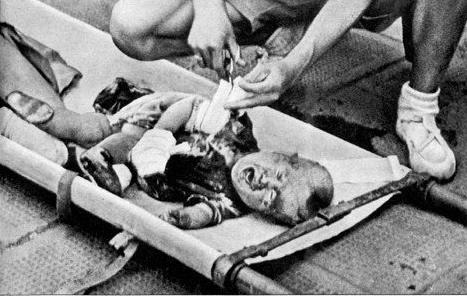
O my Lord ! My heart was in agony seeing the picture of this baby crying because of wounds suffered....
#15327
Science and Research / New Born Exam
March 19, 2012, 04:54:26 AM
by: Lorenzo
As soon as newborn infants are retrieve from the womb, they are examined by a pediatrician or by the obsetrician at birth. The exam that they utilize examines the heart and lung, as well as examining any trauma sustained during birth such as possible collar bone fractures, and possible congenital conditions. The information that is taken into consideration is the child’s birth weight, length, and head circumference, gestational age, history of previous pregnancies, as well as medical history of the mother.
Essential in newborn exam is the APGAR Score, this score is a way to assess newborns quickly and detect the need for intervention to help establish breathing. The APGAR score is recorded at about 1 and 5 minutes after birth. This testing can be used to detect decreased respiration and evaluate the newborn’s response to resuscitation efforts. In normal cases, a 5 minute APGAR score of about 7 to 10 is observed and a score of 4 -6 is considered intermediate. However, if in case there is a score of 0-3, this is considered low, and thus may indicate possible neurological conditions such as cerebral palsy.
The Newborn Nursery exam is conducted when the newborn is in the nursery. The physician listens to the heart and lungs using a stethoscope and palpates the abdomen to feel for abnormalities. The pediatrician then examines the skin to detect any bruising, broken blood vessels, swelling, dryness, pallor or cyanosis. Other parts of the body that are studied are the head, face, eyes, nose, ears, mouth, neck, chest, abdomen, genitals, and bones. The physician also conducts a neurological exam, most importantly the infant’s movements, muscle tone and assess the crying, which can be high pitched). Reflexes are also taken into consideration and the following reflexes are tested: the sucking reflex, which is a response to placing a nipple or finger in the newborn’s mouth. The second reflex is the rooting reflex, the infant turns his or her head to the side in response to a light touch on the cheek. Other reflexes traction, palmar grasp reflex, placing reflex, moro reflex, tonic neck reflex.
#15328
Science and Research / Growth and Development
March 19, 2012, 04:53:02 AM
by: Lorenzo
During the puberty stages, children experience adolescent growth and development. Adolescence is a time of many transitions that leads to the child’s transition. During the teen years, adolescents experience changes in the physical development at a rate unparalleled since infancy. The kinds of physical changes that occur are rapid gains in height and weight. During this time frame, boys and girls can gain an average of 4.1 inches and 3.5 inches in height respectively.
This spurt typically occurs two years earlier for girls than for boys, and other things observed are males increasing in muscle mass and development. Secondary sexual characteristics are also observed; during this puberty stage, the hormonal changes play a role in activating the secondary sexual characteristics of both males and females. These include growth in pubic hair, menarche, penis growth, voice changes, underarm hair growth, facial hair growth, increased production of oil, increased sweat gland activity, and acne growth. Brain development also continues.
Another thing that is observed is cognitive development. Most adults recognize that teens have better thinking skills than younger youth and these advances are due to developing advanced reasoning skills, developing abstract thinking skills, developing the ability to think about thinking as a process known as ‘meta-cognition’.
The third type of development seen in adolescent development is psycho-social development. There are five recognized psychosocial issues that teens deal with during their adolescent years. The stages are establishing an identity, establishing autonomy, establishing intimacy, becoming comfortable with one’s sexuality.
#15329
Science and Research / Re: The Importance of Vocational Testing : A Psychosocial Analysis
March 19, 2012, 03:55:34 AM
Feel free to add any comments, am looking for additional points of view and opinions. I would like any multifaceted viewpoint. Advanced thanks.
Best,
Lorenz
Best,
Lorenz
#15330
Science and Research / The Importance of Vocational Testing : A Psychosocial Analysis
March 19, 2012, 03:54:39 AM
by: Lorenzo
(this is the first couple pages of my upcoming paper)
Tests are commonly used to measure one’s special abilities and interests as they relate to occupations. Psychological tests are important because not only do they offer a comprehensive assessment to what is being tested , but can also be used to compare the skills and abilities of test takers themselves.
In regards to technical and vocational skills, clinicians are able to observe the test taker’s skills through these exams. Prior to this, the clinician has researched the construct that this particular test is supposed to measure and then examine how the test approaches the construct (Groth-Marnat, 2006).
Vocational testing can be used for a plethora of population groups such as young adults, adult who are contemplating a career change. Vocational tests allow the person to assess and examine which occupation best fit their abilities, interests as well as personality. Vocational testing is used by the employers to make sure that the potential employees are assigned in the positions best suited for them (McFadden, 2012).
Some vocational tests use what is called the Holland codes, which places emphasis on examining a person’s abilities. The Holland codes examines six different categories, which include Realistic, Investigative, Artistic, Social, Enterprising, and Conventional. The realistic category examines whether or not a person has outdoors and hands-on interests), the investigative category observes if the person has any scientific professional potential, the artistic category measures any creative jobs, the social category examines if there are any counseling and teaching potential. Enterprising category searches for management and sales potential whereas the conventional category looks for any clerical or administrative potential (Groth-Marnat, 2006).
Like any testing program, there are some limitations to vocational and interest testing. There are times when the test taker will fail in the exam or if there are some underlying conditions that can negate the benefits of the vocational testing. Some limitations would include certain issues such as people with learning disabilities, cognitive deficits, or developmental disabilities. These are poignant considerations.
There are times when it is beneficial to measure various abilities via a multiple ability battery because it gives tests the tool to assess human abilities and aptitude. An example would be the Highlands Ability Battery (THAB), which offers an objective view and consists of nineteen work samples. One of the reasons why I believe multiple battery systems is effective because it covers the different strengths of an individual and thus, better assess the skills a person has to a possible career. Interests are the result of what you do, what you learn and whom you know. The factors that govern interest changes dramatically throughout time. Skill is the result of inheritance and early development and for a most part are not changeable as interests are. A person may have interest in Industrial Engineering or Mechanical Engineering but may not have the ability to pursue the regimented courses. One can gauge this through administration of interest tests and vocational tests. Care should be taken. Aiken and Groth-Marnat stated that tests have quite low validity coefficients, so one should not think that the results on these tests are the final say. The results might show a person to be more of a “teacher or counselor†, but in the end, that student could have become an Industrial Engineer (Groth-Marnat, 2006).
#15331
Tira-Pasagad | Saksak-Sinagol / Re: Make a poem for Islander riding a dog
March 19, 2012, 03:48:12 AM
Inday gamay asa man ka gikan ron
Nano nag ride ride ka sa iro-iro-on
Inday gamay ning kaon na ba ka
Kai murag na luja na ka og imong kasama
Iday gamay adto na balik sa katri
Tulug balik kai naa didto si mommy og si daddy
Inday gamay tulug na balik
Domingo na baya ayawg pa abtik
Nano nag ride ride ka sa iro-iro-on
Inday gamay ning kaon na ba ka
Kai murag na luja na ka og imong kasama
Iday gamay adto na balik sa katri
Tulug balik kai naa didto si mommy og si daddy
Inday gamay tulug na balik
Domingo na baya ayawg pa abtik
#15332
Tira-Pasagad | Saksak-Sinagol / Re: Make a poem for Islander riding a dog
March 19, 2012, 03:45:29 AMQuote from: hubag bohol on March 18, 2012, 03:44:25 PM

if this was Isles when she was a baby, then i must say that she was a very cute baby
inchik cute! lami kusion ang aping
#15333
History / Re: The Second Sino-Japanese War (July 7, 1937 – September 2, 1945)
March 19, 2012, 03:40:00 AM
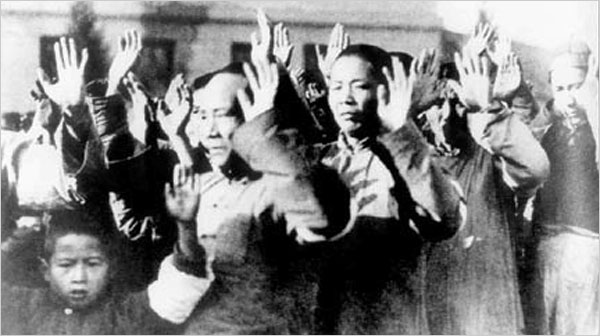
Chinese civilians surrendering before they were all systematically executed by firing squad...
#15334
History / Re: The Second Sino-Japanese War (July 7, 1937 – September 2, 1945)
March 19, 2012, 03:36:41 AM
What did these innocent Chinese people do to deserve this? To be exterminated like this as if they are subhuman.
These pictures really make me angry and disgusted.

These pictures really make me angry and disgusted.
#15335
History / Re: The Second Sino-Japanese War (July 7, 1937 – September 2, 1945)
March 19, 2012, 03:35:33 AM
#15336
History / Re: The Second Sino-Japanese War (July 7, 1937 – September 2, 1945)
March 19, 2012, 03:34:14 AM
#15337
History / Re: The Second Sino-Japanese War (July 7, 1937 – September 2, 1945)
March 19, 2012, 03:32:53 AM
Mga bu-ang hapon, nag praktis praktis sa ilang katana sa luoy kaayong Insik Tawo



#15340
History / Re: Japanese Yasukuni Shrine: Japan's War Shrine
March 19, 2012, 03:29:47 AM
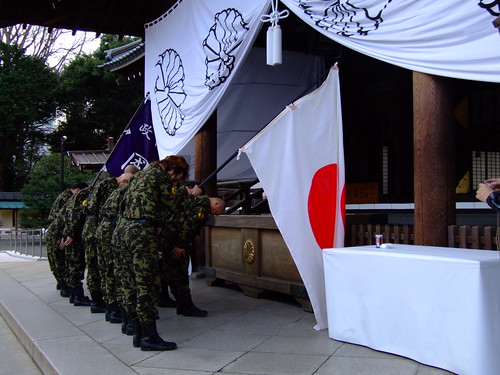
Japanese glorify their war dead in the Yasukuni Shrine.


#15342
History / Re: The Second Sino-Japanese War (July 7, 1937 – September 2, 1945)
March 19, 2012, 03:22:42 AMQuote from: islander on March 19, 2012, 01:40:34 AM
During the Battle of Shanghai, part of the Second Sino-Japanese War, Japanese military forces advanced upon and attacked Shanghai, China's most populous city. Wong and other newsreel men, such as Harrison Forman and George Krainukov, captured many images of the fighting, including the gruesome aftermath of an aerial bombing made by three Chinese aircraft against two prominent hotels on Nanking Road on Saturday, August 14, 1937, called "Bloody Saturday". (wikipedia)
Hypocritical pieces of sh1t! These Japanese claim to have a lot of honor by hurling themselves onto allied forces in their radical kamikaze attacks and banzai charges (they claim that the Code of Bushido prefers an honorable death than surrender). Yawah! Yet they implemented UNHONORABLE acts towards civilians. How is carpet bombing civilian populations in Shanghai, Nanking, HongKong, Chonqing, etc etc an act of honor?
As if the Chinese life is worth less than a Japanese life.
What did China ever do to Japan to warrant such aggressive action? The temerity and audacity of the Japanese, to think that they, nothing but an offshoot copycat of Chinese culture, could invade and conquor all of China? Unrealistic dreams of grandeur..that lead to their nuclear and unconditional surrender.
#15343
History / Re: The Second Sino-Japanese War (July 7, 1937 – September 2, 1945)
March 19, 2012, 01:59:17 AM
And the Japanese make a big deal on the American Atomic Bombing of Hiroshima and Nagasaki. Death and killing is wrong , period. However, the Japanese should also take note to how many people they killed in their senseless war in the pacific. Untold Millions of Chinese died. In the Philippines, their dumb fighting and stubborness to surrender resulted in the destruction of Manila City, which was once known as the "Pearl of the Orient."
They killed thousands of Filipinos, tortured thousands, raped thousands. Their war on our country retarded the Philippines and affected an entire generation. For What? For Imperial Grandeur?
They said they came to "Liberate" the Philippines from American Colonization. Yet they replaced one colonizer for another. Only theirs was brutal as well.
Have they even repaid us for this?
#15344
History / Re: The Second Sino-Japanese War (July 7, 1937 – September 2, 1945)
March 19, 2012, 01:55:06 AMQuote from: islander on March 19, 2012, 01:52:12 AM
the photographer's (h.s. wong) account of the bombing's aftermath:
"It was a horrible sight. People were still trying to get up. Dead and injured lay strewn across the tracks and platform. Limbs lay all over the place. Only my work helped me forget what I was seeing. I stopped to reload my camera. I noticed that my shoes were soaked with blood. I walked across the railway tracks, and made many long scenes with the burning overhead bridge in the background. Then I saw a man pick up a baby from the tracks and carry him to the platform. He went back to get another badly injured child. The mother lay dead on the tracks. As I filmed this tragedy, I heard the sound of planes returning. Quickly, I shot my remaining few feet [of film] on the baby. I ran toward the child, intending to carry him to safety, but the father returned. The bombers passed overhead. No bombs were dropped." (wikipedia)
Reading this makes me so angry! Damn the Japanese for their brutality!
#15345
History / Re: The Second Sino-Japanese War (July 7, 1937 – September 2, 1945)
March 19, 2012, 01:49:35 AMQuote from: islander on March 19, 2012, 01:45:05 AM
just wondering if this is some typographical error of wikipedia. three chinese aircraft bombing their own nanking road?
Probably a typo error. At that time, China had no air force and what little air force she did have was wiped out by Imperial Japanese Air Force. During 1942, American Air Force fought for Chinese Nationalist Government.
The Sino-Japanese War of 1930's was an unfair war. The Japanese had total air and naval domination. China was unprepared for that war. At that time, China was being colonized by western powers and the internal struggles. China was rich in resources, and weak in government, and weak in national defense. She was a perfect target for a parasitic Japan.
#15346
History / Re: The Second Sino-Japanese War (July 7, 1937 – September 2, 1945)
March 19, 2012, 01:46:35 AM
Thank You, Isles, for that added information. I learned something new today.
Side Note: Back in 1998, I had a long conversation with my Lola Babing (my grandmother's younger sister) about her experience with the war in the Philippines (The Pacific War). When the Japanese invaded Bohol, Philippines, a large envoy came to Valencia in 1942 and took control of the municipal government. There was a large Japanese post in the interior of Valencia, one of the reasons for this was because of the active guerilla activity in the interior of Bohol. A great many Valencianhons took part in this resistance. My own grandmother, Fortunata Tan, was active in the war she fought with Filipino guerillas against the Japanese.
My Lola Babing told me that in 1942, our family escaped to the bukid in Valencia, past the mountains of Barangay Manga. All the way up into the interior. Lola Babing told me that her father, Mariano Tan (who is my great-grandfather), urged the family to leave sawang for the mountains. He knew of the massacre of the Chinese by the Japanese because my great-grandfather was in open communication with many of his relatives in Guangzhou, CHina. Daghan jamo gipatay sa Hapon didto.
Lolo Mariano knew that the Japanese were very brutal and racist towards the Chinese. So that is the reason he uprooted his kids and his wife from Sawang, Valencia to the Bukid area. My grandmother was very hard headed, and instead of staying in the mountains with the rest of the family during wartime, she joined the guerilla resistance. When Lola died in 1998 she was given full military honors as a WW2 Veteran.
In many ways, I'm sure Lolo Mariano was proud of his daughter for fighting the Hapons. I was told kono that a lot of our relatives were lost when the Hapons invaded southern China. They basically ransacked southern China. Guangzhou Province was a hard hit target.
#15347
History / Re: The Second Sino-Japanese War (July 7, 1937 – September 2, 1945)
March 19, 2012, 12:18:06 AM
#15348
History / Re: The Second Sino-Japanese War (July 7, 1937 – September 2, 1945)
March 19, 2012, 12:17:28 AM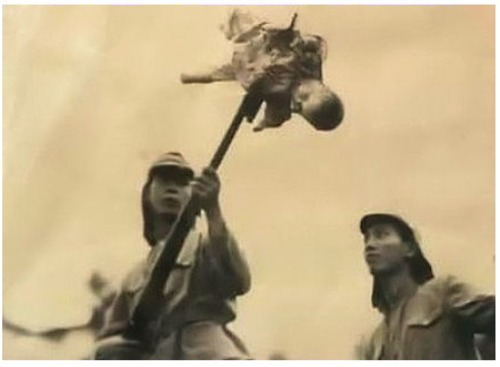
Barbarous people...
#15349
History / Re: The Second Sino-Japanese War (July 7, 1937 – September 2, 1945)
March 19, 2012, 12:16:30 AM
#15350
History / Re: The Second Sino-Japanese War (July 7, 1937 – September 2, 1945)
March 19, 2012, 12:15:34 AM
The savagry of the Japanese....

Innocent chinese babies lie dead because of the Japanese barbarous attrocities
Innocent chinese babies lie dead because of the Japanese barbarous attrocities
#15351
Tira-Pasagad | Saksak-Sinagol / Re: How people see your house
March 19, 2012, 12:13:14 AM
And we pray for you, that you find confirmation and peace in your new found search. May the Lord God Bless you and instill in you ethereal peace, a peace that this world does not give, but only God The Father can provide. May you always be blessed, Krystal. In The Name of the Father, The Son and the Holy Spirit. Amen.
#15352
Cortes - Bohol / Re: Medical / Dental Mission Coming
March 19, 2012, 12:07:57 AMQuote from: wolfpack823 on March 18, 2012, 11:18:13 PM
Thank you Lorenzo, God gave us life and blessings to share. It is always my prayer that God grant me the opportunity to make a difference.
Please know that you are an inspiration! Keep it up and may your good works flow in abundance!
#15353
Business and Economy / Re: Cage dogs of Hong Kong
March 19, 2012, 12:07:03 AMQuote from: islander on March 18, 2012, 11:55:02 PM
i believe, lorenz, that this has more to do with migration and income distribution than government policy on population.
OT: below are some sickening slogans about china's one-child policy:
"If you don't receive the tubal ligation surgery by the deadline, your house will be demolished!"
"We would rather scrape your womb than allow you to have a second child!"
"Kill all your family members if you don't follow the rule!"
And…
"Once you get captured, an immediate tubal ligation will be done; Should you escape, we'll hunt you down; If you attempt a suicide, we'll offer you either the rope or a bottle of poison."
- from "China to soften its one-child policy slogans, but not the law itself", by Eric Pfeiffer, The Sideshow, Tue, Feb 28, 2012, http://news.yahoo.com/
Thanks for the quotes, Isles, it adds an interesting perspective. I guess the government of China cares too much about sustained growth , so much that it has not focused on the social as well as the psychological result of a one-child policy. In a reading some time ago, a result of the one child policy is the excess of baby boys to baby girls. There are some 20 million single chinese men who cannot find wives.
You bring a very valid point, Isles. The migration and job patterns. I'm sure with the growth of Hong Kong and the increased job opportunity in the region, resulted in increased Chinese sprawling to the metropolis for job opportunity. Legions of Chinese from surrounding Guangzhou, Fujian, and Hainan Province are probably trying to find jobs in Hong Kong.
As a last point: There is nothing positive about forced abortion, I can't help but have a sense of empathy for the Chinese women who were forced to abort their 2nd, 3rd, 4th child etc or else face political and economic retribution from the Government.
I guess this the "cost" of sustained growth.
#15354
History / Re: The Second Sino-Japanese War (July 7, 1937 – September 2, 1945)
March 18, 2012, 11:15:56 PM
These Japanese are nothing but copycats and clones. Even their culture, which they call as "Japanese Indigenous" was established by Chinese culture. The Chinese Confucianism was transported to Japan by Chinese scholar elites in the past, the Japanese "tea ceremony" was introduced to the uncivilized Japanese tribes by Chinese traders. Even the Japanese utensils (chop stick), bowls and china ware was introduced to the Japanese by ancient Chinese traders. The entire East Asian region (Japan, Koreas, parts of Mongolia, parts of Vietnam) were heavily inundated with Chinese culture.
The Japanese writing system (Hana and Kanji) copies the foundation of the far more complex Chinese Calligraphical System (which contains up to 6,000 characters).
Japanese act racist towards Chinese in Japan and call them with negative words. Foolish. Don't these Japanese know that they owe their civilization and their culture to the blending of these Chinese people? and Ancient Chinese Culture.
#15355
History / Re: The Second Sino-Japanese War (July 7, 1937 – September 2, 1945)
March 18, 2012, 11:08:57 PM
Before, Japan, like the European Imperialists, used to take advantage of China by setting up many "Spheres of Influence" Zones in China, relegating the old Chinese Empire into a defenseless market; used and monopolized by the west. As so many of Asia's civilizations, was influenced and under the thumb of western and Japanese imperialist dreams.
Now, with China spending over 106 Billion Dollars on National Defense and becoming a rising superpower, the only power to contest the hegemoneity of the United States, China has regained some of her preeminence again.
Now, it is Japan who is scared. Without America's backing and nuclear umbrella, there would be no way Japan could survive a war with China now in the present. China would swallow Japan.
#15356
Business and Economy / Re: Cage dogs of Hong Kong
March 18, 2012, 11:03:27 PM
Now we know why the Chinese implemented a 1 child policy. Because normally, Chinese have large families! (My great grandfather was the eldest of 10!). So, can we imagine if all the Chinese were reproducing like they would normally? China's population, had it not been for the 1 child policy, would probably be in the 2 Billion mark now...
#15357
Business and Economy / Re: Cage dogs of Hong Kong
March 18, 2012, 11:01:06 PM
This is just horrendous! Well, what can we expect from a nation of almost 1. 4 BILLION people? China is literally almost 25% of the world's population.
Try fitting in 25% of all humanity's population in just 1 country....
Try fitting in 25% of all humanity's population in just 1 country....
#15358
History / Re: The Second Sino-Japanese War (July 7, 1937 – September 2, 1945)
March 18, 2012, 10:59:17 PMQuote from: hubag bohol on March 18, 2012, 03:38:03 PM
The Second Sino-Japanese War (July 7, 1937 â€" September 2, 1945) was a military conflict fought primarily between the Republic of China and the Empire of Japan. From 1937 to 1941, China fought Japan with some economic help from Germany (see Sino-German cooperation), the Soviet Union (1937â€"1940) and the United States (see American Volunteer Group). After the Japanese attack on Pearl Harbor (1941), the war merged into the greater conflict of World War II as a major front of what is broadly known as the Pacific War. The Second Sino-Japanese War was the largest Asian war in the 20th century. It also made up more than 50% of the casualties in the Pacific War if the 1937â€"1941 period is taken into account.
Although the two countries had fought intermittently since 1931, total war started in earnest in 1937 and ended only with the surrender of Japan in 1945. The war was the result of a decades-long Japanese imperialist policy aiming to dominate China politically and militarily and to secure its vast raw material reserves and other economic resources, particularly food and labour. Before 1937, China and Japan fought in small, localized engagements, so-called "incidents". In 1931, the Japanese invasion of Manchuria by Japan's Kwantung Army followed the Mukden Incident. The last of these incidents was the Marco Polo Bridge Incident of 1937, marking the beginning of total war between the two countries.
Initially the Japanese scored major victories in Shanghai and by the end of 1937 captured the Chinese capital of Nanking. After failing to stop the Japanese in Wuhan, the Chinese central government moved to Chungking in the Chinese interior. By 1939 the war had reached stalemate after Chinese victories in Changsha and Guangxi. The Japanese were also unable to defeat the Chinese communists forces in Shaanxi, which performed harassment and sabotage operations against the Japanese. On the 7th of December 1941 the Japanese attacked Pearl Harbor and the following day (December 8 ) the United States declared war on Japan. Japan surrendered in 1945. --Wiki
This is so brutal. This is a sore point in history for many Chinese. So many peopled died in this war; millions upon millions of Chinese died for nothing.
#15359
Photos Unlimited / Re: Nap Time
March 18, 2012, 01:26:06 PM
Na busug napod si Ondoy, balik napod sa iyang nap-time.
#15360
Music and Video / Re: Theme song for Fr. Chicogon (In too deep by Genesis)
March 18, 2012, 01:25:11 PM
Wa'y Sapayan!
#15361
Business and Economy / Re: Cage dogs of Hong Kong
March 18, 2012, 01:24:12 PM
Santa Maria Madre de Dios! Luoy'a Pod Nila!
#15362
Philippine Photo Gallery / Re: Bastante nga pamahaw
March 18, 2012, 01:21:04 PM
Luoy pod intawn...
#15363
Anonymous Diary Blog / Re: What Did You Do Today?
March 18, 2012, 01:14:45 PM
Celebrated St. Patty's Day with friends. 
#15364
Cortes - Bohol / Re: Medical / Dental Mission Coming
March 18, 2012, 08:47:09 AMQuote from: wolfpack823 on March 18, 2012, 01:39:10 AM
A Medical/Dental Mission will be conducted in Upper dela Paz, Cortes, Bohol on April 21, 2012. It is my personal initiative to help my ka-barrio. A Medical Team from Manila composed of 5 dentists and 3 doctors will undertake the mission.
I shouldered the financial aspects of the project, and through my connections I was able to pull medical people to Bohol free of charge. The Alpha Phi Omega Bohol-based is the lead organization that undertakes this. We have enough resources to cover 500 dental patients, and the barangay officials are conducting pre-registration to determine the actual medicines needed.
On the day of the mission, I am also giving out 20 Food Vouchers at PhP500 each to participants in a form of raffle. This Food Voucher has been my project in line with my Hunger and Poverty advocacy.
It feels good to be home, but it feels better to give something to the community where you belong.
God Bless You, Krystal!
You are a very inspiring woman!
Keep up the Noble work !
#15365
Business and Economy / Re: Hong Kong: New York of Asia
March 18, 2012, 08:42:38 AMQuote from: Mulligan on March 18, 2012, 12:46:04 AM
Haha. Mao man bai Bran. Naa pay mga chics na mang sundot ug samput. hehe.
Peru bilib ko sa manhattan area, daghan simbahan. Gasulod ra man kos simbahan if ako panan-aw puro na samput. hehe
hehehe guwapo bitaw ang mga Simbahan sa New York, Bai Bedo. Naka sud na ka sa St. Patrick's ? Kuyaw kaayo sa sud...
#15366
Photos Unlimited / Re: Nap Time
March 18, 2012, 08:39:33 AMQuote from: Lorenzo on March 17, 2012, 03:55:51 PM

Wake up na, doy! Adto na ta sa balay ni Mommy, kaon na ta.
#15367
Photos Unlimited / Re: Nap Time
March 18, 2012, 08:31:02 AM
Intawon pod. Tigulang na baya Si Holy Father Pope Benedict XVI. May God continue to bless him...
#15368
Business and Economy / Re: Hong Kong: New York of Asia
March 18, 2012, 12:39:07 AM
bwahahaha!
I agree with you Father! I like Chicago, I am fond of New Jersey. Pero, in my heart and in my mind, my Home will always be in Valencia, BOHOL.
Can take a Valencianhon out of Bohol, Philippines, but you can never take the Valencianhon out of the man.
I agree with you Father! I like Chicago, I am fond of New Jersey. Pero, in my heart and in my mind, my Home will always be in Valencia, BOHOL.
Can take a Valencianhon out of Bohol, Philippines, but you can never take the Valencianhon out of the man.
#15369
Guindulman - Bohol / Re: Guindulman Public Market
March 18, 2012, 12:36:58 AM
Guapo na Guapo na gayud ang Guindulman...their public market looks like a mini-Bohol Quality
#15370
Business and Economy / Re: Hong Kong: New York of Asia
March 18, 2012, 12:35:29 AMQuote from: chicogon on March 18, 2012, 12:34:23 AM
Usbon ko, I like both cities. But Bohol jud I love the most and I love New Orleans, too, that I decided to live here: the city the care forgot - the Big Easy!
Truly, a Missionary Priest.
#15371
Business and Economy / Re: Hong Kong: New York of Asia
March 18, 2012, 12:33:22 AMQuote from: chicogon on March 18, 2012, 12:32:11 AM
Both NYC and Hongkong I LIKE; Bohol jud kay I LOVE
bwahahahaha! Love Caingget beach, Love driving through Tagbilaran
#15372
Business and Economy / Re: Hong Kong: New York of Asia
March 18, 2012, 12:31:47 AM
hahahaha! daghang hot chics sa new york uy, kai fashion capital sa usa gud na. last time i was there, bai bedo, na kuratan gayud ko.
mura ta'g mananap mo tan-aw tan-aw sa humut jamong fruits
mura ta'g mananap mo tan-aw tan-aw sa humut jamong fruits
#15373
Guindulman - Bohol / Re: Guindulman Public Market
March 18, 2012, 12:21:53 AM
Welcome back, Wolfpack!

#15375
Business and Economy / Re: Hong Kong: New York of Asia
March 18, 2012, 12:16:30 AMQuote from: Mulligan on March 18, 2012, 12:13:52 AM
Nice Padz. Guapo man diay Hongkong ba. Wa pa jud ko katunob ug hongkong. Walay eng-ana sa amerika ba. hehe
Peru guapo pa japun para nako ang new york labina sa long island na part. Mingaw, ug presko ang hangin.
Bai Bedo,
Kuan diay ka ron "NEW YORK IN MY MIND..."
#15376
History / Re: The Second Sino-Japanese War (July 7, 1937 – September 2, 1945)
March 18, 2012, 12:12:11 AM
The Japanese were ruthless and cruel. They massacred millions of Chinese in their war. Not to mention, the rape and killings of many innocent Filipinos.
#15377
Photos Unlimited / Re: Sleeping Beauty
March 17, 2012, 03:56:46 PM
Sleeping gajud ning beautiful woman. Sayang ang kape kai wai epek.


#15385
Question and Answer / Re: Do you like to hold hands?
March 17, 2012, 03:29:00 PM
hehe way epek diay, manay? ka-ingon ko ma kilig kilig ang baje sa holding hands


#15389
Music and Video / Re: Phil Collins - One More Night
March 17, 2012, 03:16:17 PM
Wow, bugnaw kaayo..
#15390
Music and Video / Re: Theme song ni Islander (When you can't sleep at night by Of Mice and Men)
March 17, 2012, 03:14:49 PM
simbako, di pod oy!
#15391
Family & Parenting / Re: Secret of a happy marriage
March 17, 2012, 03:12:52 PMQuote from: hubag bohol on March 17, 2012, 02:02:58 PMbwahahahaha! kulatohon dali diay?
Way puangod banaha. Kon moadto nig Bohol kulatahon jud ning Bugsay...
#15392
General Topic / Re: some Irish jokes for you
March 17, 2012, 03:11:52 PMQuote from: hofelina on March 17, 2012, 03:07:56 PM
AND THE BEST FOR LAST
A drunk staggers into a Catholic Church, enters a confessional booth, sits down, but says nothing.
The Priest coughs a few times to get his attention, but the drunk continues to sit there.
Finally, the Priest pounds three times on the wall.
The drunk mumbles, "Ain't no use knockin, there's no paper on this side either."
Ijara!
#15393
Family & Parenting / Re: Secret of a happy marriage
March 17, 2012, 01:19:02 PM
hahaha ! ka luoya pod ni manang!
#15394
Music and Video / Phil Collins: Another Day In Paradise
March 17, 2012, 01:14:55 PM #15395
Music and Video / Theme song for Tubag Bohol's "Hidden" Members (Against All Odds by Phil Collins)
March 17, 2012, 12:58:56 PM #15396
Music and Video / Theme song for Fr. Chicogon (In too deep by Genesis)
March 17, 2012, 12:55:32 PM #15397
Music and Video / Theme song ni Bugsay (The Pillow That Whispers by Lynn Anderson)
March 17, 2012, 12:52:01 PM #15398
Music and Video / Theme song ni Islander (When you can't sleep at night by Of Mice and Men)
March 17, 2012, 12:49:14 PM #15400
Music and Video / Enya: Wild Child
March 17, 2012, 12:40:21 PMPages 1 2 3 4 5 6 7 8 9 10 11 12 13 14 15 16 17 18 19 20 21 22 23 24 25 26 27 28 29 30 31 32 33 34 35 36 37 38 39 40 41 42 43 44 45 46 47 48 49 50 51 52 53 54 55 56 57 58 59 60 61 62 63 64 65 66 67 68 69 70 71 72 73 74 75 76 77 78 79 80 81 82 83 84 85 86 87 88 89 90 91 92 93 94 95 96 97 98 99 100 101 102 103 104 105 106 107 108 109 110 111 112 113 114 115 116 117 118 119 120 121 122 123 124 125 126 127 128 129 130 131 132 133 134 135 136 137 138 139 140 141 142 143 144 145 146 147 148 149 150 151 152 153 154 155 156 157 158 159 160 161 162 163 164 165 166 167 168 169 170 171 172 173 174 175 176 177 178 179 180 181 182 183 184 185 186 187 188 189 190 191 192 193 194 195 196 197 198 199 200 201 202 203 204 205 206 207 208 209 210 211 212 213 214 215 216 217 218 219 220 221 222 223 224 225 226 227 228 229 230 231 232 233 234 235 236 237 238 239 240 241 242 243 244 245 246 247 248 249 250 251 252 253 254 255 256 257 258 259 260 261 262 263 264 265 266 267 268 269 270 271 272 273 274 275 276 277 278 279 280 281 282 283 284 285 286 287 288 289 290 291 292 293 294 295 296 297 298 299 300 301 302 303 304 305 306 307 308 309 310 311 312 313 314 315 316 317 318 319 320 321 322 323 324 325 326 327 328 329 330 331 332 333 334 335 336 337 338 339 340 341 342 343 344 345 346 347 348 349 350 351 352 353 354 355 356 357 358 359 360 361 362 363 364 365 366 367 368 369 370 371 372 373 374 375 376 377 378 379 380 381 382 383 384 385 386 387 388 389 390 391 392 393 394 395 396 397 398 399 400 401 402 403 404 405 406 407 408 409 410 411 412 413 414 415 416 417 418 419 420 421 422 423 424 425 426 427 428 429 430 431 432 433 434 435 436 437 438 439 440 441 442 443 444 445 446 447 448 449 450 451 452 453 454 455 456 457 458 459 460 461 462 463 464 465 466 467 468 469 470 471 472 473 474 475 476 477 478 479 480 481 482 483 484 485 486 487 488 489 490 491 492 493 494 495 496 497 498 499 500 501 502 503 504 505 506 507 508 509 510 511 512 513 514 515 516 517 518 519 520 521 522 523 524 525 526 527 528 529 530 531 532 533 534 535 536 537 538 539