El Niño also results in a hotter average temperature for the whole planet by about 0.1 to 0.2 degrees, because the associated change in winds lead to the release of heat from the ocean to the atmosphere.
The two strongest El Niños that we know of were in 1982-83 and 1997-98. Dubbed 'super El Niños', both these events had significant global impacts.
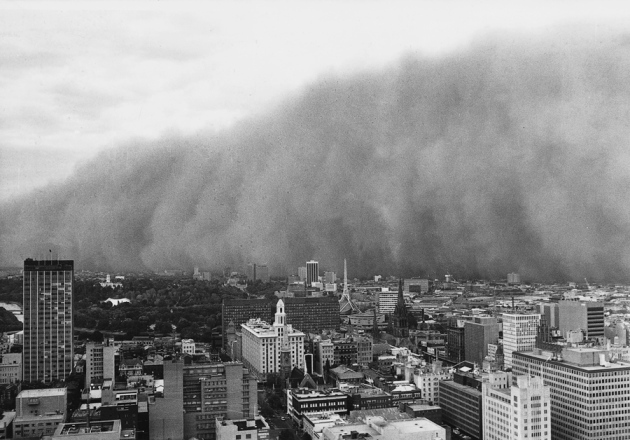
"In 1982-83, Australia suffered one of the biggest droughts and we had the Ash Wednesday bushfires and Melbourne was covered by the dust storm," says Cai.
"In 1997, over 23,000 people were killed due to extreme events, droughts, floods, cyclones."

The 1982 El Niño caught countries around the Pacific completely unaware and prompted data gathering and research that lead to our current understanding of El Niño, says Cai.
Linkback: https://tubagbohol.mikeligalig.com/index.php?topic=80040.0

